Sleep apnea – Symptoms, causes and treatment. It’s a sound many of us are all too familiar with: the loud snoring of a loved one from the next room, or right beside us. It’s often the butt of jokes, a simple nuisance. But then, the sound stops. The rhythmic rumble is replaced by a heavy, choking silence that stretches for 10, 20, even 30 seconds. This is followed by a sudden, explosive gasp, a snort, or a body-jerk as the person is waking up choking.
This is not “just snoring.” This is the terrifying, classic sign of Sleep Apnea, a serious and surprisingly common sleep disorder.
Sleep Apnea is a silent thief that robs you of restorative sleep, starves your body of oxygen, and, if left untreated, can steal your health and even years from your life. It’s far more than just feeling tired. It’s a medical condition linked to sleep apnea and high blood pressure, heart disease, stroke, and debilitating daytime sleepiness.
Welcome to your complete guide. We are going to pull back the covers on What is Sleep Apnea? We will shine a bright light on the obvious and the subtle sleep apnea symptoms, explore the complex sleep apnea causes, and detail the life-changing sleep apnea treatment options available today.
The dangers of untreated sleep apnea are too great to ignore. This guide is your first step to understanding the problem, getting a sleep apnea diagnosis, and finding a path back to quiet, restful, and life-saving sleep. And if you’re in Delhi, searching for an “ENT Specialist for Sleep Apnea,” we will connect you with a centre of excellence, Medicon Multispeciality Clinic, where expert ENT doctors can provide the answers and solutions you need.
Sleep apnea – Symptoms, causes and treatment
Chapter 1: What is Sleep Apnea? The Mechanics of a Broken Sleep
Let’s start with a clear definition. Sleep Apnea (or apnoea) is a potentially serious sleep disorder in which a person’s breathing repeatedly stops and starts during sleep.
These pauses are called “apneas.” An apnea is a total cessation of airflow for 10 seconds or more. A “hypopnea” is a partial blockage, a period of abnormally shallow breathing that also reduces your oxygen levels.
When these events happen, your body is starved of oxygen. Your brain, sensing the emergency, sends a panic signal. It briefly jolts you awake—often so quickly you don’t even remember it—to force your airway open and resume breathing. This cycle can happen 5, 10, 30, or even over 100 times per hour, all night long. This shattering of your sleep architecture is what leads to poor sleep quality, even if you think you’ve been in bed for 8 hours.
There are three main types of sleep apnea:
Obstructive Sleep Apnea (OSA): This is, by far, the most common type. What is Obstructive Sleep Apnea? It’s a mechanical problem. OSA occurs when the muscles in the back of your throat relax too much during sleep. Your soft palate, uvula, and tongue collapse, creating a physical blockage in your upper airway. You try to breathe—your chest and diaphragm are still working—but the air simply cannot get through.
Central Sleep Apnea (CSA): This is a neurological problem. What is Central Sleep Apnea? It’s less common and occurs because your brain fails to send the proper signals to the muscles that control breathing. There is no blockage, but your body doesn’t even try to breathe for a short period. CSA is often linked to other medical conditions like congestive heart failure or stroke, or the use of certain medications.
Complex Sleep Apnea Syndrome: This is a combination of both Obstructive Sleep Apnea and Central Sleep Apnea. It’s also sometimes called “Treatment-Emergent Central Sleep Apnea,” as it can appear when someone with OSA begins CPAP therapy.
For the vast majority of people searching for answers about sleep apnea and snoring, the culprit is Obstructive Sleep Apnea (OSA). Therefore, OSA will be the primary focus of this guide.
Sleep apnea – Symptoms, causes and treatment
Chapter 2: The Red Flags: A Comprehensive Guide to Sleep Apnea Symptoms
How do you know if you have sleep apnea? The sleep apnea symptoms can be divided into two categories: the “nighttime” signs that a bed partner often notices first, and the “daytime” signs that the person experiences themselves.
Nighttime Sleep Apnea Symptoms (The “Obvious” Signs)
Loud, Persistent Snoring: This is the most famous sleep apnea symptom. It’s not a gentle purr; it’s loud snoring that is disruptive, often described as rattling, sputtering, or explosive. However, it’s important to note that not everyone who snores has sleep apnea, and not everyone who has sleep apnea snores.
Observed Pauses in Breathing (Apneas): This is the hallmark. A partner will describe the loud snoring suddenly going silent for a tense period, which is the person stop breathing during sleep.
Gasping for Air at Night / Waking up Choking: This is the sound of the body’s panic response. The person is literally waking up choking or snorting to force air back into their lungs.
Restless Sleep: Constant tossing and turning, as the body thrashes to find a position to breathe.
Night Sweats: The body’s extreme effort to breathe can cause profuse sweating.
Frequent Urination (Nocturia): The changes in chest pressure and oxygen levels can affect hormones that control urination, forcing you to wake up to use the bathroom multiple times a night.
Daytime Sleep Apnea Symptoms (The “Subtle” Consequences)
This is what the person with sleep apnea feels. The poor sleep quality caused by hundreds of micro-arousals leads to a cascade of debilitating daytime issues.
Excessive Daytime Sleepiness (EDS): This is the #1 daytime symptom. This isn’t just normal fatigue; it’s an overwhelming, uncontrollable urge to sleep. People with sleep apnea may fall asleep while at work, watching TV, reading, or—most dangerously—while driving.
Morning Headaches: Waking up with a dull, throbbing headache is a classic sign. These morning headaches are caused by low oxygen and high carbon dioxide levels in the blood during the night.
Chronic Fatigue: A bone-deep tiredness that no amount of coffee can fix. You wake up feeling like you haven’t slept at all.
Difficulty Concentrating: “Brain fog,” memory problems, and a short attention span are common.
Irritability and Mood Changes: The chronic sleep deprivation has a direct impact on sleep apnea and mental health, leading to irritability, mood swings, and a high risk of depression and anxiety.
Waking Up with a Dry Mouth or Sore Throat: This is a common result of breathing through your mouth all night to try and get more air.
A Special Note: Pediatric Sleep Apnea (Sleep Apnea in Children)
Yes, sleep apnea in children is a real and serious issue. The symptoms of pediatric sleep apnea are often different:
Loud snoring (the most common sign).
Mouth breathing, both day and night.
Bedwetting (new onset or persistent).
Behavioral problems that look like ADHD: hyperactivity, inattentiveness, and poor school performance. Failure to thrive or grow at a normal rate. The most common cause of pediatric sleep apnea is almost always large tonsils and sleep apnea-related blockages. An ENT specialist is essential for this diagnosis.
Chapter 3: The Root Causes and Risk Factors of Sleep Apnea
The Root Causes and Risk Factors of Sleep Apnea
Understanding the sleep apnea causes is key to finding the right sleep apnea treatment. The sleep apnea risk factors for Obstructive Sleep Apnea (OSA) are primarily physical and anatomical.
Obesity and Sleep Apnea: This is the single greatest risk factor. Excess weight leads to fat deposits in the neck and around the upper airway. This “soft tissue” can easily collapse during sleep, blocking the airway.
Anatomy: This is the domain of the ENT Specialist. You can be thin and fit and still have OSA if your facial and airway structure predisposes you to it.
Large Tonsils and Adenoids: As mentioned, this is the main cause of pediatric sleep apnea and can be a major factor in adults.
A Large Tongue (Macroglossia) or a Long, Thick Soft Palate/Uvula.
A Recessed Chin or Small Jaw (Retrognathia): This pulls the tongue backward, narrowing the airway.
A Deviated Septum: This is a crucial point. A deviated septum sleep apnea connection is significant. While a deviated septum (the crooked cartilage dividing your nostrils) doesn’t directly cause apnea, it causes nasal obstruction. This forces you to breathe through your
mouth, which makes your tongue and palate more likely to collapse and worsen your OSA.
Lifestyle Factors:
Alcohol and Sedatives: These substances over-relax the throat muscles, dramatically increasing the risk of airway collapse.
Smoking: This inflames and swells the upper airway, narrowing the passage.
Demographics:
Gender:Sleep apnea is more common in men. However, a woman’s risk increases significantly after menopause.
Age: The risk increases as you get older, as muscles naturally lose tone.
Causes of Central Sleep Apnea (CSA):
The sleep apnea causes for CSA are not anatomical but neurological.
Medical Conditions: Congestive heart failure, stroke, and kidney failure.
Medications: Use of opioid (painkiller) medications.
High Altitude: Living at a high altitude can trigger CSA.
This is the most critical chapter of this guide. Sleep Apnea is not a joke. It is not “just snoring.” The dangers of untreated sleep apnea are profound and life-threatening.
Every time you stop breathing during sleep, you are putting your entire body through intense stress.
Your oxygen levels plummet.
Your brain panics and releases a surge of stress hormones, like adrenaline.
Your heart rate and blood pressure skyrocket to force you to breathe.
This cycle, happening hundreds of times every night, is a form of torture for your cardiovascular system.
Major Health Complications of Untreated Sleep Apnea:
Sleep Apnea and High Blood Pressure (Hypertension): The constant adrenaline surges and oxygen drops cause your blood pressure to stay high even during the day, leading to chronic hypertension that is often resistant to medication.
Sleep Apnea and Heart Disease (Cardiovascular Disease):Sleep apnea dramatically increases the risk of heart attacks, abnormal heart rhythms (like atrial fibrillation), and congestive heart failure. The strain on the heart is immense.
Sleep Apnea and Stroke: The combination of high blood pressure and low oxygen makes a stroke significantly more likely.
Type 2 Diabetes:Sleep apnea is strongly linked to insulin resistance, making it harder for your body to control blood sugar.
Sleep Apnea and Mental Health: The chronic fatigue and brain-oxygen deprivation can cause or severely worsen depression, anxiety, and cognitive decline.
Daytime Accidents: The excessive daytime sleepiness (EDS) makes you a danger on the road. Studies show that people with untreated sleep apnea are many times more likely to cause a car accident.
Untreated Obstructive Sleep Apnea is a systemic disease. It attacks your heart, your brain, your metabolism, and your mental health. This is why sleep apnea treatment is not optional; it is essential.
Chapter 5: Getting Answers: The Sleep Apnea Diagnosis Process
If you recognize the sleep apnea symptoms in yourself or a loved one, the next step is to get a formal sleep apnea diagnosis.
Step 1: The Consultation (Your ENT Specialist)
An ENT Specialist for Sleep Apnea is the perfect place to start. Why an ENT doctor? Because they are the only specialists who can physically examine your airway.
A good ENT specialist will:
Take a detailed history of your sleep apnea symptoms (snoring, fatigue, etc.).
Perform a physical exam, looking at your anatomy.
Use a small, flexible camera (an endoscope) to look inside your nose and throat. This is a quick, painless in-office procedure that allows them to spot blockages like a deviated septum, enlarged tonsils, a long soft palate, or a large tongue.
Step 2: The Sleep Apnea Test
Based on the consultation, the doctor will order a sleep apnea test.
In-Lab Sleep Study (Polysomnography – PSG): This is the “gold standard.” You sleep overnight in a sleep apnea clinic or hospital lab hooked up to sensors. A Polysomnography (PSG) test is comprehensive and measures:
Brain waves (EEG)
Heart rhythm (ECG)
Blood oxygen levels
Breathing patterns (airflow and effort)
Eye and leg movements
Home Sleep Test (HST): A Home Sleep Test (HST) is a simpler, more comfortable option for many. You are given a portable device to wear at home for one night. It’s very effective at diagnosing most cases of Obstructive Sleep Apnea (OSA).
Step 3: The Results (Your AHI Score)
The sleep study will give you an AHI (Apnea-Hypopnea Index) score. This is the key to your sleep apnea diagnosis.
AHI: The average number of apnea and hypopnea events you have per hour of sleep.
Normal: 0-5 events per hour
Mild Sleep Apnea: 5-15 events per hour
Moderate Sleep Apnea: 15-30 events per hour
Severe Sleep Apnea: 30+ events per hour
Your AHI score, combined with your symptoms, will determine the best sleep apnea treatment for you.
Chapter 6: Taking Back the Night: A Complete Guide to Sleep Apnea Treatment
A sleep apnea diagnosis is not a life sentence; it’s the key to getting your life back. Sleep Apnea Treatment is highly effective and can be life-changing.
1. The Gold Standard: CPAP Therapy
What is a CPAP Machine?CPAP stands for Continuous Positive Airway Pressure. A CPAP machine is a small, quiet bedside device that delivers a gentle, continuous stream of air through a mask you wear at night.
How it Works: The air acts as a “pneumatic splint.” It doesn’t breathe for you. It just creates enough pressure to physically keep your airway open, preventing the collapse.
Who is it for?CPAP therapy is the #1, most effective treatment for moderate to severe Obstructive Sleep Apnea. It is not a sleep apnea cure—it’s a lifelong management tool. The benefits are immediate: snoring stops, oxygen levels normalize, and you wake up feeling rested for the first time in years.
2. Lifestyle Changes for Sleep Apnea
These are a critical part of anysleep apnea treatment plan.
Weight Loss: If obesity and sleep apnea is your issue, losing even 10% of your body weight can dramatically reduce your AHI. For some with mild OSA, it can even be a sleep apnea cure.
Positional Therapy: Many people have apnea only when they sleep on their back. Special pillows or devices that keep you on your side can be a simple fix.
Avoid Alcohol, Sedatives, and Smoking: These all make your airway more likely to collapse.
3. Sleep Apnea Oral Appliance Therapy
What is it? A sleep apnea oral appliance is a custom-fit device, similar to a mouthguard, made by a specialized dentist. It works by pulling your lower jaw (mandible) slightly forward.
How it Works: This “mandibular advancement” pulls your tongue forward with it, opening up the airway space behind it.
Who is it for? It’s an excellent option for patients with mild to moderate OSA or for those with severe OSA who cannot tolerate a CPAP machine.
4. Sleep Apnea Surgery (The ENT Specialist’s Solution)
For some people, the problem is purely anatomical. In these cases, sleep apnea surgery can be a definitive sleep apnea cure. An ENT Specialist is the surgeon who performs these procedures.
Tonsillectomy and Adenoidectomy: This is the #1 sleep apnea treatment and often a sleep apnea cure for pediatric sleep apnea caused by large tonsils.
Septoplasty (Deviated Septum Surgery): If a deviated septum is blocking your nose, a septoplasty to straighten it can be a game-changer. It’s a key part of snoring treatment and can dramatically improve your ability to breathe, both day and night. It also makes CPAP therapymuch more comfortable and effective.
UPPP Surgery (Uvulopalatopharyngoplasty): This is the most common sleep apnea surgery for adults. The ENT surgeon removes excess tissue from the soft palate and uvula, widening the airway at the back of the mouth.
Other Surgeries: Nasal turbinate reduction, tongue base reduction, or even jaw advancement surgery (maxillomandibular advancement) are options for severe cases.
How to Stop Snoring? For many, snoring treatment is the same as sleep apnea treatment. A CPAP machine will stop snoring 100% of the time. Sleep apnea surgery like UPPP or a tonsillectomy can also be a snoring treatment.
Chapter 7: Your Search Ends Here: Medicon Multispeciality Clinic – The Premier ENT Specialist in Delhi
We have journeyed through the dark, silent pauses of sleep apnea, uncovering its dangerous symptoms and life-altering consequences. We’ve seen that loud snoring is not a joke, but a warning sign. We’ve learned that the dangers of untreated sleep apnea—from high blood pressure to heart disease and stroke—are too serious to ignore.
But most importantly, we’ve learned that effective, life-changing sleep apnea treatment is available.
Your journey back to health starts with a single step: a proper diagnosis from a specialist who understands the structure of your airway. This is where a dedicated Sleep Apnea Clinic within a multispeciality setting, like Medicon Multispeciality Clinic, is not just helpful—it is essential.
Your search for an “ENT Specialist Delhi” or the “Best ENT Doctor Delhi” for sleep-disordered breathing ends at Medicon.
Why Choose the ENT Department at Medicon Multispeciality Clinic for Sleep Apnea?
They are Airway Experts:Medicon Multispeciality Clinic is staffed by ENT Specialists for Sleep Apnea. They are surgeons and physicians who have dedicated their careers to the complex anatomy of the ear, nose, and throat. They don’t just guess; they look.
Advanced In-Office Diagnosis: Our ENT specialists use high-definition nasal endoscopy to perform a quick, painless evaluation of your airway. They can visually identify the exact cause of your Obstructive Sleep Apnea. Is it a deviated septum? Are your tonsils too large? Is your palate collapsing? You will get an anatomical answer on your first visit.
A Gateway to the Right Test: Our team will refer you for the correct sleep apnea test, whether it’s an in-lab Polysomnography (PSG) or a convenient Home Sleep Test (HST), ensuring you get a precise sleep apnea diagnosis.
Leaders in Surgical Sleep Apnea Treatment: If your OSA is caused by a correctable anatomical blockage, our ENT specialists are the surgeons to fix it. We are a leading Sleep Apnea Clinic Delhi for:
Septoplasty: To correct deviated septum sleep apnea.
Tonsillectomy: The definitive sleep apnea cure for pediatric sleep apnea.
UPPP Surgery: To surgically widen the airway at the palate.
Comprehensive Snoring Treatment: To help you and your partner finally get a quiet night’s sleep.
Holistic, Coordinated Care: As a multispeciality clinic, our ENT doctor works alongside our cardiologists, neurologists, and physicians. We treat you, not just your symptoms, managing the sleep apnea and high blood pressure connection and all other related health risks under one roof.
t’s a sound many of us are all too familiar with: the loud snoring of a loved one from the next room, or right beside us.
Your First Step to Better Sleep and a Longer Life
Do not accept excessive daytime sleepiness as your new normal. Do not ignore the loud snoring and gasping for air at night. Your fatigue, your morning headaches, and your poor sleep quality are signs that your body needs help.
Contact Medicon Multispeciality Clinic today to schedule a consultation with a top ENT Specialist Delhi. Taking this step isn’t just about snoring treatment; it’s about protecting your heart, your brain, and your future. Reclaim your sleep and your health.


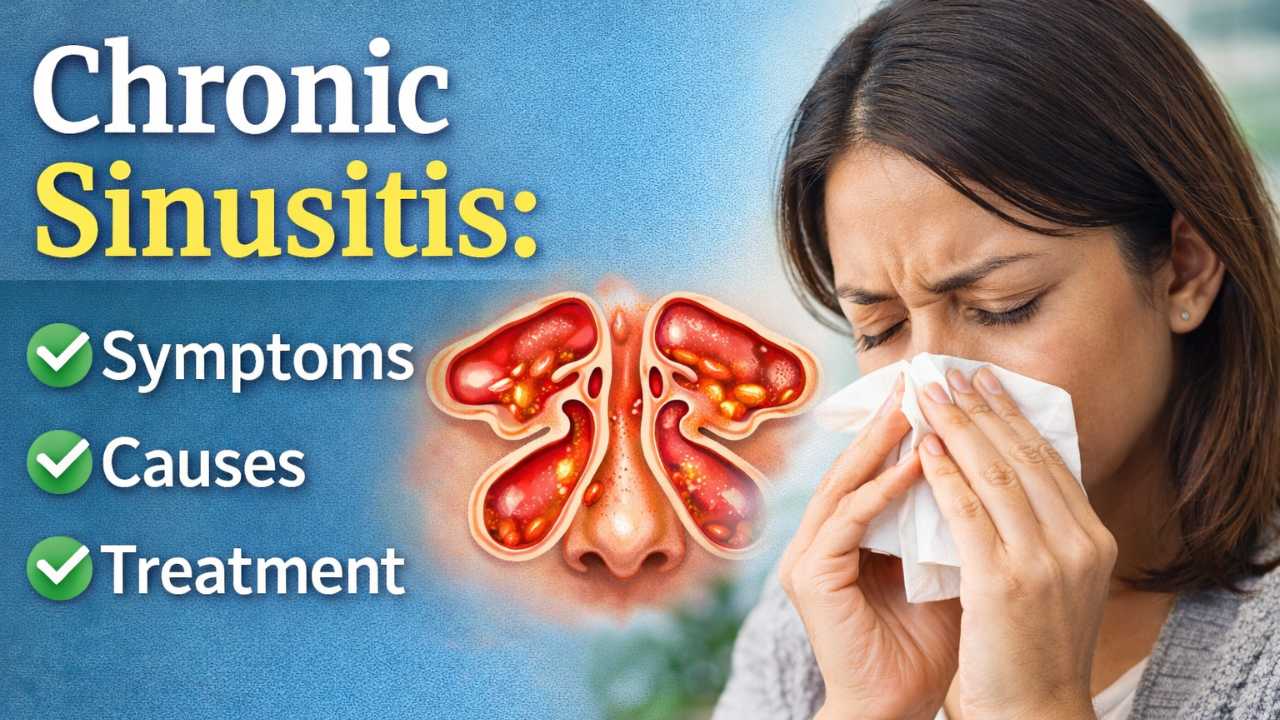 Chronic Sinusitis: Symptoms, Causes & Treatment
 Skull Base Surgery in Gurgaon: Solving Complex Cases Safely
 Oral Cancer Symptoms, Risks, and Prevention Tips Explained
 Choosing the Best Cochlear Implant Surgery Clinic in Gurgaon for Effective Hearing Restoration