10 Signs That Your Snoring is a Silent Killer. We’ve all heard it. The deep, rattling rumble of loud snoring from a partner, a parent, or even from ourselves. In our culture, snoring is often treated as a joke, a simple annoyance to be met with a nudge in the ribs or a banishment to the couch. But what if that sound isn’t just an annoyance? What if it’s an alarm bell? What if that nightly snoring is actually a sign of a far more dangerous condition, a silent killer that is systematically damaging your body?
Welcome to the critical guide that separates simple snoring from a serious medical disorder. That silent killer has a name: Obstructive Sleep Apnea (OSA). While not all snoring is dangerous, the snoring associated with sleep apnea is a profound threat to your health. Obstructive Sleep Apnea is a sleep disorder where you repeatedly stop breathing during sleep, sometimes hundreds of times per night.
This isn’t just about poor sleep quality; it’s about survival. The dangers of untreated sleep apnea are not a distant threat; they are a clear and present danger, directly linked to sleep apnea and high blood pressure, heart disease, stroke, and Type 2 Diabetes.
This guide will illuminate the 10 signs your snoring is dangerous. We will explore the critical sleep apnea symptoms, the complex sleep apnea causes, and the life-changing sleep apnea treatment options. Your snoring could be a symptom of OSA, and understanding these signs is the first step to getting a proper sleep apnea diagnosis. We will also explain why an ENT Specialist is your most important ally in this fight and how a clinic like Medicon Multispeciality Clinic can be your partner in reclaiming your health.
10 Signs That Your Snoring is a Silent Killer
10 Signs That Your Snoring is a Silent Killer
Chapter 1: The Great Divide: What is Benign Snoring vs. Dangerous Snoring?
Before we dive into the 10 signs, we must understand this fundamental difference.
What is Benign (Primary) Snoring? Simple snoring is just a noise. It occurs when the tissues in your throat, including your tongue, soft palate, and uvula, relax during sleep. As you breathe, air passes over these relaxed tissues, causing them to vibrate. This vibration creates the sound of snoring. It might be caused by your sleep position, alcohol and sleep apnea-related muscle relaxation, or nasal congestion. While it can be a nuisance to a bed partner, it does not involve the cessation of breathing.
What is Dangerous Snoring (Obstructive Sleep Apnea)? This is where the alarm bells should ring. Obstructive Sleep Apnea (OSA) is not just a vibration. It is a mechanical blockage.
Here is the mechanism of this silent killer:
Collapse: You fall asleep, and your throat muscles relax too much. Your tongue falls back, your soft palate sags, and your tonsils (if large) crowd the airway, causing it to collapse and seal shut.
Apnea (The Pause): You try to breathe, but the airway is blocked. Airflow stops completely. This is the pause in breathing. This apnea can last for 10, 30, or even 60+ seconds.
Oxygen Drops: During this apnea, no oxygen is getting to your lungs or your brain. Your blood oxygen level plummets.
Panic!: Your brain senses the emergency (the suffocation) and sends a jolt of adrenaline through your body.
Arousal: This adrenaline surge briefly pulls you out of deep sleep—just enough to tighten your muscles, open your airway, and take a desperate breath. This is the gasping for air at night.
Repeat: You fall back asleep, your muscles relax, and the cycle begins again. All night long.
A person with severe sleep apnea can experience this cycle over 30 times per hour. They are essentially spending their entire night being repeatedly suffocated and revived, all without ever achieving restorative sleep. This is why OSA is a silent killer.
Chapter 2: The 10 Signs Your Snoring is a Silent Killer (Symptoms of Obstructive Sleep Apnea)
How do you know if your snoring is the dangerous kind? Look for these 10 critical warning signs. If you (or your partner) notice these, it is time to seek sleep apnea treatment from an ENT specialist.
Sign 1: Your Snoring is Extremely Loud, Persistent, and Disruptive
The most obvious sign is the snoring itself. We’re not talking about a gentle rumble. We’re talking about loud snoring. This is the kind of snoring that can be heard through walls, that drowns out the television. It’s often described as sputtering, rumbling, or explosive.
Why it’s a Sign: This intense sound is the sound of air desperately forcing its way through a very narrow, partially collapsed airway. It’s the “before” sound, the warning rumble right before the airway seals shut completely. This kind of loud snoring is a hallmark sleep apnea symptom.
Sign 2: You Have Observed Pauses in Breathing (The Silent Part)
This is the #1 most terrifying and definitive sign for a bed partner to witness. This is the silent killer in action. The loud snoring will be chugging along, and then… silence. A heavy, frightening silence. This is the apnea, the literal pause in breathing. You will see the person’s chest and stomach still trying to move, still fighting to pull in air, but nothing is happening.
Why it’s a Sign: This is the core definition of Obstructive Sleep Apnea. This silence is not peaceful sleep; it is a moment of suffocation. If your partner ever tells you that you stop breathing during sleep, you must book a sleep apnea test immediately.
Sign 3: Waking Up Choking, Snorting, or Gasping for Air
After the silent pause in breathing, the brain’s panic signal hits. The person will suddenly erupt with a violent snort, a deep gasp, or a choking sound. This is the waking up choking or gasping for air at night that so many people report. The person themselves may wake up, heart pounding, confused, and gasping.
Why it’s a Sign: This is the sound of survival. It’s the micro-arousal as your body successfully fights off the apnea and forces the airway open. This waking up choking is one of the most classic sleep apnea symptoms.
Sign 4: Excessive Daytime Sleepiness (EDS)
This is the most common daytimesleep apnea symptom. This isn’t just “feeling tired.” This is Excessive Daytime Sleepiness (EDS), a debilitating, overwhelming, and uncontrollable urge to sleep.
Do you fall asleep while watching TV?
Do you nod off while reading a book?
Do you feel sleepy in meetings or at work?
Do you—most dangerously—feel drowsy while driving?
Why it’s a Sign: Because your brain is jolting you awake hundreds of times a night to breathe, you never reach the deep, restorative stages of sleep. Your poor sleep quality is profound, even if you were in bed for 8 or 9 hours. This chronic fatigue and EDS is your sleep-deprived brain screaming for rest.
Sign 5: Waking Up with Morning Headaches
Do you consistently wake up with a dull, throbbing headache, especially in the front of your head? Many people blame their pillow or “sleeping wrong,” but it’s a classic sleep apnea symptom.
Why it’s a Sign: These morning headaches are a direct result of what happened to your brain overnight. The repeated pauses in breathing cause your blood oxygen levels to drop and carbon dioxide (CO2) levels to rise. This change in blood gases causes the blood vessels in your brain to dilate, leading to a “vascular headache.” You are waking up with a headache caused by a night of low oxygen.
Sign 6: You Have High Blood Pressure (Hypertension)
This is where snoring truly becomes a silent killer. The link between sleep apnea and high blood pressure is undeniable.
Do you have hypertension that is difficult to control, even with multiple medications?
Did your high blood pressure seem to come out of nowhere?
Why it’s a Sign: Every single apnea event is a jolt of adrenaline to your system. Your brain, thinking you are suffocating, floods your body with stress hormones to save you. This “fight or flight” response, happening hundreds of times a night, doesn’t just raise your blood pressure while you sleep; it keeps it chronically elevated 24/7. Untreated sleep apnea is one of the leading causes of drug-resistant hypertension.
Sign 7: Chronic Fatigue, Brain Fog, and Difficulty Concentrating
This is different from Excessive Daytime Sleepiness. This is the pervasive “brain fog,” the chronic fatigue, and the difficulty concentrating that plagues your waking hours.
Do you feel “out of it” all day?
Do you struggle with memory, finding it hard to learn new tasks?
Do you have trouble focusing at work?
Why it’s a Sign: Your brain is both sleep-deprived and has been subjected to repeated oxygen deprivation. This combination is toxic for cognitive function. You are not lazy or “getting old”; your brain is exhausted and under-oxygenated. This is a severe symptom of Obstructive Sleep Apnea.
Sign 8: Irritability, Mood Swings, Anxiety, or Depression
Mood Swings
Your mental and emotional health is directly tied to your sleep quality. Chronic fatigue and sleep deprivation will shatter your emotional resilience.
Do you find yourself snappy and irritable over small things?
Do you experience significant mood swings?
Are you struggling with anxiety or depression that isn’t responding well to treatment?
Why it’s a Sign: The sleep apnea and mental health connection is profound. The lack of restorative sleep disrupts the brain’s ability to regulate mood and process emotions. The constant “fight or flight” state can manifest as chronic anxiety. For many, sleep apnea treatment leads to a more dramatic improvement in their depression and irritability than any other intervention.
Sign 9: Waking Up with a Dry Mouth or a Sore Throat
This is an often-overlooked physical clue. If you wake up every single morning with a painfully dry mouth or a raw, sore throat, it’s a strong indicator of a problem.
Why it’s a Sign: A blocked airway (from OSA) or a blocked nose (from a deviated septum) forces your body to compensate by breathing through your mouth all night. This constant, open-mouthed breathing dries out all the oral and pharyngeal tissues, leading to inflammation, a dry mouth, and a sore throat. Your body is trying to get air any way it can.
Sign 10: You Have Specific Physical Risk Factors (The “Why Me?”)
The final sign is your physical anatomy and lifestyle. Obstructive Sleep Apnea is, at its core, a mechanical problem. These are the major sleep apnea causes and risk factors an ENT specialist looks for:
Obesity and Sleep Apnea: This is the #1 risk factor. Excess weight, especially around the neck (a large neck circumference), puts physical pressure on the airway, causing it to collapse. Weight loss is a key part of sleep apnea treatment.
Anatomical Blockages: This is the ENT’s specialty.
Enlarged Tonsils: Large tonsils and sleep apnea are directly linked, especially as the primary cause of pediatric sleep apnea (sleep apnea in children).
A Deviated Septum: A crooked nasal cartilage forces mouth-breathing, which worsens sleep apnea. The deviated septum sleep apnea connection is critical.
A large tongue, a long uvula, or a recessed jaw.
Lifestyle:Alcohol and sleep apnea are a dangerous combination. Alcohol is a muscle relaxant and will make your airway collapse more easily. Smoking also inflames the airway, worsening snoring and OSA.
Chapter 3: The Dangers of Untreated Sleep Apnea (Why It’s a Silent Killer)
If the 10 signs weren’t convincing enough, let’s be explicit about the dangers of untreated sleep apnea. When you ignore loud snoring and sleep apnea symptoms, you are not just missing out on sleep; you are actively shortening your life.
The nightly cycle of oxygen deprivation and adrenaline surges is a “stress test” on your body, night after night, for years. This leads to:
Cardiovascular Disease:Untreated sleep apnea is a direct cause of high blood pressure and dramatically increases your risk of heart disease, heart attacks, and abnormal heart rhythms (atrial fibrillation).
Stroke: The combination of high blood pressure and low oxygen makes a stroke significantly more likely.
Type 2 Diabetes:OSA is strongly linked to insulin resistance, a precursor to Type 2 Diabetes. It makes your body unable to control its blood sugar.
Mental Health Crisis: The link between sleep apnea and mental health is a vicious cycle. Sleep apnea can cause depression and anxiety, and those conditions can, in turn, worsen sleep.
Daytime Accidents: The Excessive Daytime Sleepiness (EDS) makes you a danger behind the wheel of a car or operating machinery.
Surgical Complications: Having untreated sleep apnea makes going under general anesthesia extremely dangerous.
This is why your snoring is not a joke. It is a major public health issue, and sleep apnea treatment is not just about feeling better—it’s about staying alive.
Chapter 4: The Diagnosis: How an ENT Specialist Finds the Truth
You’ve read the signs. Your loud snoring is paired with waking up choking and Excessive Daytime Sleepiness. You’re convinced you need help. What now?
The journey to a sleep apnea diagnosis is a clear, medical path. The most important first step is to see an ENT Specialist for Sleep Apnea.
Why an ENT Doctor First? A general physician can suspectOSA, but an ENT specialist (Otolaryngologist) is an airway surgeon. They are the only doctors who can perform a detailed physical examination of your airway to find the cause of the blockage.
The ENT Consultation:
History: The ENT doctor will listen to your (and your partner’s) description of your sleep apnea symptoms.
Physical Exam: They will examine your jaw structure, tongue size, and look at your tonsils.
Nasal Endoscopy: This is a critical in-office test. The ENT specialist will pass a very thin, flexible camera through your nose to look at your entire airway. This allows them to see exactly what is collapsing. They can instantly diagnose a deviated septum or large adenoids, which are key sleep apnea causes.
The Sleep Apnea Test: After the physical exam, the ENT specialist will order a sleep apnea test to confirm the diagnosis and measure its severity.
In-Lab Sleep Study (Polysomnography – PSG): This is the “gold standard” sleep study. You sleep overnight in a sleep apnea clinic while a technician monitors your brain waves, heart rate, breathing, oxygen levels, and body movements. A Polysomnography test is incredibly detailed.
Home Sleep Test (HST): For many patients with suspected Obstructive Sleep Apnea, a Home Sleep Test (HST) is a more comfortable and convenient option. You take a portable device home and wear it for one night. It measures your breathing, oxygen levels, and heart rate.
The Result: Your AHI Score The sleep study (both in-lab and HST) will give you your AHI (Apnea-Hypopnea Index) score. This is the key to your sleep apnea diagnosis.
AHI: The average number of pauses in breathing (apneas) and shallow breathing events (hypopneas) you have per hour.
Normal: 0-5 events/hour
Mild Sleep Apnea: 5-15 events/hour
Moderate Sleep Apnea: 15-30 events/hour
Severe Sleep Apnea: 30+ events/hour
An AHI of 30 means you are waking up every two minutes, all night long. This is the definitive proof that your snoring is a symptom of OSA.
Chapter 5: Taking Back the Night: A Complete Guide to Sleep Apnea Treatment
A sleep apnea diagnosis is not a life sentence. It is the first step toward a new, healthier, more energetic life. Sleep Apnea Treatment is highly effective and can reverse most of the damage caused by OSA.
Sleep Apnea Treatment falls into three main categories:
1. The Gold Standard: CPAP Therapy
What is a CPAP Machine?CPAP stands for Continuous Positive Airway Pressure. It is the most common and effective non-surgical sleep apnea treatment. A CPAP machine is a quiet bedside device that delivers a gentle, continuous stream of air through a mask, which you wear over your nose or mouth.
How it Works: The air acts as a “pneumatic splint.” It doesn’t breathe for you. It just creates enough air pressure to physically keep your airway open, preventing the collapse.
The Result: It stops the apnea events 100%. The loud snoring stops. Your oxygen levels stay normal. You sleep deeply. The morning headaches, EDS, and chronic fatigue often disappear within days. CPAP therapy is a life-saving intervention.
2. Lifestyle Changes and Oral Appliances
Lifestyle Changes: These are critical for all patients.
Weight Loss: If obesity and sleep apnea is your primary issue, weight loss can dramatically reduce your AHI. For some, it can be a sleep apnea cure.
Positional Therapy: If you only have apnea when sleeping on your back, devices that keep you on your side can be a simple fix.
Avoid Triggers: Stop drinking alcohol, especially before bed. The alcohol and sleep apnea connection is a major factor in airway collapse.
Oral Appliance Therapy: For mild to moderate OSA, a custom-fit dental device (a Mandibular Advancement Device) can be an effective CPAP alternative. It works by pulling your lower jaw and tongue forward, opening the airway.
3. Sleep Apnea Surgery: The ENT Specialist’s Solution
For many patients, CPAP therapy is difficult to tolerate. For others, the problem is a clear, physical blockage that can be fixed. This is where an ENT Specialist for Sleep Apnea becomes your surgeon. Sleep Apnea Surgery aims to be a definitive snoring treatment and sleep apnea cure.
Common sleep apnea surgery procedures include:
Septoplasty (Deviated Septum Surgery): If a deviated septum is blocking your nose and forcing you to mouth-breathe, a septoplasty to straighten it is a crucial first step. This deviated septum surgery can make CPAP more tolerable or, in some cases, resolve the snoring and sleep apnea on its own.
Tonsillectomy and Adenoidectomy (T&A): This is the #1 sleep apnea treatment and sleep apnea cure for pediatric sleep apnea (sleep apnea in children). Removing the enlarged tonsils and adenoids creates a wide-open airway. It is also a very effective snoring treatment for adults with large tonsils.
UPPP Surgery (Uvulopalatopharyngoplasty): This is a classic sleep apnea surgery for adults. The ENT surgeon removes excess, floppy tissue from the soft palate and uvula, widening the airway at the back of the mouth. This is a powerful snoring treatment and OSA correction.
Other Surgeries: More advanced procedures can include tongue base reduction or jaw advancement surgery.
Chapter 6: Your Search Ends Here: Medicon Multispeciality Clinic – The Premier ENT Specialist in Delhi
We have journeyed through the 10 warning signs that your snoring is a silent killer. We’ve uncovered the devastating dangers of untreated sleep apnea—from high blood pressure and heart disease to chronic fatigue and depression. We have also seen that this is a solvable problem. You do not have to live with Obstructive Sleep Apnea.
Your journey back to health starts with a single, crucial step: a proper diagnosis from a specialist who understands the structure of your airway. This is where a dedicated ENT Clinic, like Medicon Multispeciality Clinic, is not just helpful—it is essential.
Your search for an “ENT specialist near me in Delhi” or the “Best ENT Doctor Delhi” for sleep apnea and snoring ends at Medicon.
Why Choose the ENT Department at Medicon Multispeciality Clinic for Your Snoring?
They are Airway Experts:Medicon Multispeciality Clinic is staffed by ENT Specialists for Sleep Apnea. They are surgeons and physicians who have dedicated their careers to the complex anatomy of the ear, nose, and throat. They don’t just guess; they look.
Advanced In-Office Diagnosis: Our ENT specialists use high-definition nasal endoscopy to perform a quick, painless evaluation of your airway. They can visually identify the exact cause of your Obstructive Sleep Apnea. Is it a deviated septum? Are your tonsils too large? Is your palate collapsing? You will get an anatomical answer on your first visit.
A Gateway to the Right Sleep Study: Our team will refer you for the correct sleep apnea test, whether it’s an in-lab Polysomnography (PSG) or a convenient Home Sleep Test (HST), ensuring you get a precise sleep apnea diagnosis and AHI score.
Leaders in Surgical Sleep Apnea Treatment: If your OSA is caused by a correctable anatomical blockage, or if you simply want a definitive snoring treatment, our ENT specialists are the surgeons to fix it. We are a leading sleep apnea clinic Delhi for:
Septoplasty: To correct a deviated septum, improve nasal breathing, and support sleep apnea treatment.
Tonsillectomy: The definitive sleep apnea cure for pediatric sleep apnea and a key procedure for adults with large tonsils.
UPPP Surgery: To surgically widen the airway at the palate, directly treating the cause of the snoring and collapse.
Holistic, Multispeciality Care: As a multispeciality clinic, our ENT doctor works alongside our cardiologists, neurologists, and physicians. We treat you, not just your symptoms, managing the sleep apnea and high blood pressure connection and all other related health risks under one roof.
Conclusion: Stop Guessing, Start Healing
Do not ignore the 10 signs. Do not let your partner’s pauses in breathing go unaddressed. Do not accept Excessive Daytime Sleepiness as your new normal. Your loud snoring is a fire alarm, and it’s time to find the fire.
The dangers of untreated sleep apnea are real, but so is the hope of treatment. Reclaiming your energy, protecting your heart, and enjoying a quiet, restful night’s sleep is possible.
Contact Medicon Multispeciality Clinic today to schedule a comprehensive ENT check-up and sleep apnea consultation. Taking this step isn’t just about snoring treatment; it’s about taking on the silent killer and winning back your life.


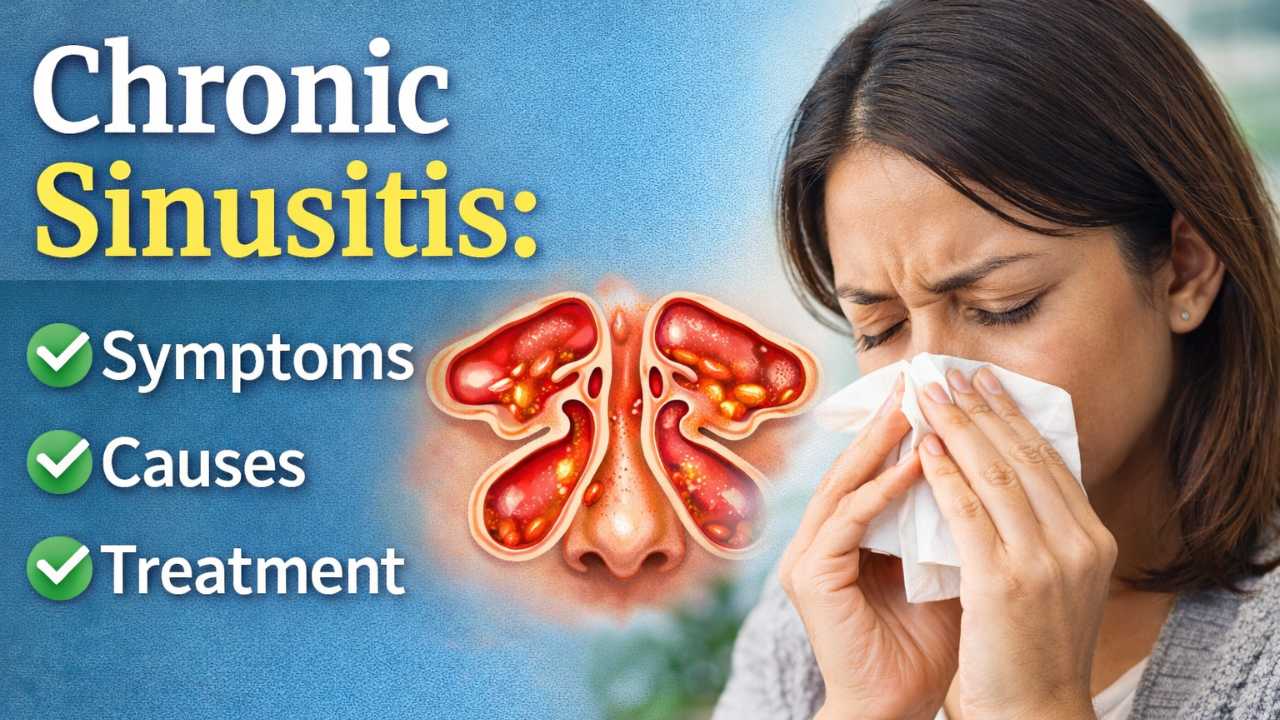 Chronic Sinusitis: Symptoms, Causes & Treatment
 Skull Base Surgery in Gurgaon: Solving Complex Cases Safely
 Oral Cancer Symptoms, Risks, and Prevention Tips Explained
 Choosing the Best Cochlear Implant Surgery Clinic in Gurgaon for Effective Hearing Restoration