
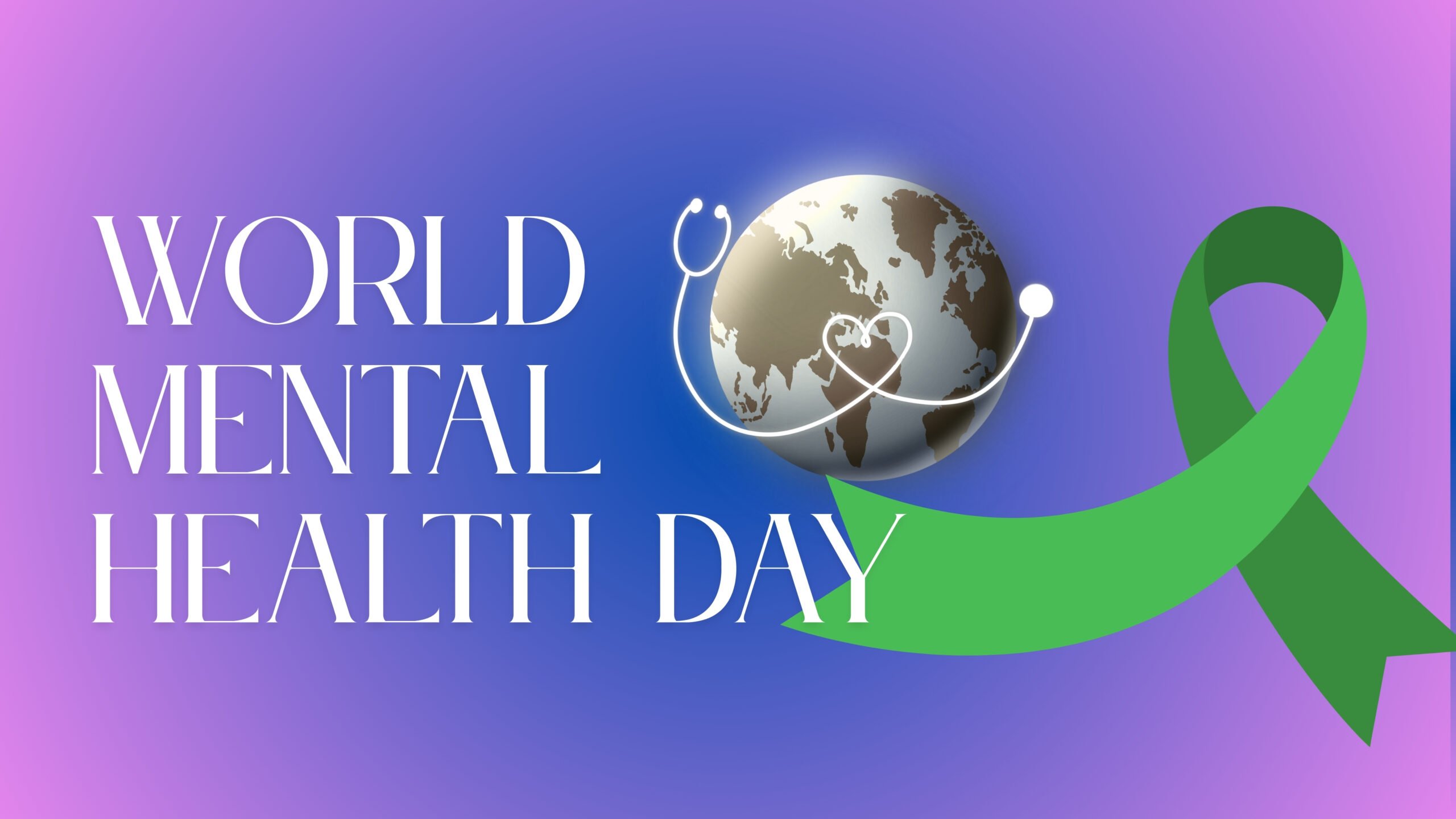
Today, on October 10, 2025, we pause to observe World Mental Health Day. It’s a day for conversations that matter, for breaking down barriers, and for collectively raising our voices in support of mental well-being for all. We live in an age of unprecedented technological advancement, where the entire world is accessible through the glowing screen in our pockets. We have more friends, more followers, and more ways to connect than ever before in human history.
But a crucial question echoes in the quiet moments of our hyper-connected lives: Are we truly feeling more connected?
In recognition of this modern paradox, the World Health Organisation and the World Federation for Mental Health have announced a powerful and deeply relevant theme. The official World mental Health Day theme 2025 is: “Mental Health in a Digital World: Fostering Connection, Not Just Connectivity.”
This theme is a call to action for every single one of us. It urges us to look beyond the likes, the shares, and the endless scrolls to examine what our digital lives are truly doing to our mental health. It’s a challenge to harness the incredible power of technology to build genuine, supportive human bonds, rather than letting it pull us into a vortex of comparison, anxiety, and isolation.
This blog will dive deep into this year’s theme, explore the core motive of World Mental Health Day, and offer practical guidance on how we can all nurture our mental well-being in this digital age. We will also explore how dedicated institutions like Medicon Multispeciality Clinic are stepping up to provide professional support on this critical new frontier of mental health.
Before we unpack this year’s theme, it’s vital to understand the foundational purpose of this global observance. While October 10th is the focal point, it’s part of the broader World Mental Health Awareness Month, a time dedicated to education and advocacy. World Mental Health Day wasn’t created as a fleeting trend; it was established in 1992 by the World Federation for Mental Health as a day to make mental health care a reality for people worldwide. Its motives are as crucial today as they were over three decades ago.
1. To Raise Awareness and Erase Stigma: The primary goal is to bring mental health out of the shadows. For centuries, mental health conditions have been misunderstood, feared, and stigmatised. In many parts of the world, including here in India, talking about anxiety or depression is still considered taboo. This day serves as a global megaphone, shouting the message that mental health is health. You may have seen the World Mental Health Day logo today—often a green ribbon symbolising mental health awareness—shared across social media. Every share, every conversation, and every story helps dismantle the walls of stigma.
2. To Mobilise Action and Demand Change: Awareness is just the first step. The ultimate goal is action. From sharing a World Mental Health Day poster on social media to organising community events, every action contributes to breaking the silence. World Mental Health Day is a platform to call upon governments, institutions, and communities to invest more in mental health services. In India, there is a significant treatment gap, with a severe shortage of psychiatrists, psychologists, and counsellors. This day is an opportunity to advocate for better policies, increased funding for mental health infrastructure, and the integration of mental health care into our primary health systems.
3. To Promote Well-being and Prevention: It’s not just about treating illness; it’s about promoting wellness. The day encourages us to learn and share strategies for maintaining good mental health. It’s a reminder that small, daily actions—practising mindfulness, connecting with loved ones, getting enough sleep, and managing stress—are powerful tools for building emotional resilience.
In essence, World Mental Health Day is a beacon of hope and a catalyst for change. It’s a day to check in on ourselves and our loved ones, and to collectively work towards a world where mental health is prioritised, funded, and free from stigma.
Our modern world is a paradox. We carry devices designed for connection, yet studies show that rates of loneliness are on the rise. We have access to infinite information, yet we are more susceptible to the anxiety of misinformation and comparison. The World mental Health Day theme 2025 forces us to confront this reality.
Technology is not inherently good or bad; it is a tool. The internet has, in many ways, been a gift to mental health advocacy.
However, the other edge of the sword is sharp and cuts deep into our collective well-being. The platforms we use are often not designed for our health, but for our attention.
Have you ever found yourself scrolling endlessly through a social media feed, looking for… you’re not even sure what? You’re not weak-willed; you’re playing a game designed by experts to keep you hooked.
Every like, comment, and notification you receive triggers a small release of dopamine in your brain. This is the same neurochemical associated with pleasure and reward. Tech companies have engineered their platforms to deliver these rewards intermittently and unpredictably, much like a slot machine. This creates a powerful compulsion to constantly check our devices, seeking that next little hit of validation. This cycle trains our brains for distraction and makes it incredibly difficult to engage in deep, focused thought or to simply be present in the real world.
Social media is not a reflection of reality; it is a highlight reel. We are constantly exposed to curated, filtered, and perfected versions of other people’s lives—their perfect holidays, their career achievements, their flawless families. Our brains, however, don’t always make that distinction.
This constant comparison can be devastating for our self-esteem. It can lead to:
Connectivity does not equal connection. Genuine human connection is built on vulnerability, empathy, and shared presence—qualities that are often lost in the curated and performative world of social media. We may have hundreds of online “friends,” but these superficial interactions can leave us feeling more isolated than ever.
We substitute deep, meaningful conversations for quick texts and comments. We opt for scrolling through feeds instead of being fully present with the people right in front of us. This erosion of real-world social skills and connections is a major contributor to the modern loneliness epidemic.
The brains of children and adolescents are still developing, making them particularly vulnerable to the effects of the digital world. They are growing up with a public-facing identity from a young age, where their self-worth can become dangerously tied to online metrics.
This year’s theme is not about abandoning technology. It’s about becoming its master, not its servant. It’s about making conscious choices to use these powerful tools to enhance our lives and our relationships, not detract from them. There are many powerful World Mental Health Day quotes circulating today, but the best ones are those that inspire action. As one advocate shared, “The quality of your life depends on the quality of your connections, not the speed of your connectivity.”
Here are practical steps we can all take.
1. Practice Digital Mindfulness: Instead of picking up your phone out of habit, take a moment to ask yourself, “What is my intention right now?” Are you looking up specific information? Connecting with a friend? Or are you simply trying to escape boredom or an uncomfortable feeling? This simple pause can break the cycle of mindless scrolling.
2. Curate Your Digital Space for Positivity: Your social media feed is your digital home. You have control over who and what you let in.
3. Set Healthy Boundaries with Your Devices:
4. Bridge the Digital and Real Worlds: Use technology as a bridge, not a destination. Use social media to organise a real-world meetup with friends. Use a messaging app to schedule a phone call or a video chat where you can have a real conversation. Let your digital interactions be the starting point for a genuine human connection.
5. For Parents: Teach Digital Literacy and Empathy: The goal isn’t to ban technology but to teach children how to use it safely and wisely.
Understanding these challenges is the first step, but putting solutions into practice can be difficult. The compulsive nature of technology can create patterns of behaviour that are hard to break on your own. Sometimes, the anxiety, depression, or isolation fueled by our digital lives requires professional guidance.
This is where trusted healthcare partners like Medicon Multispeciality Clinic become vital pillars of support in our community. Their team of compassionate and experienced mental health professionals understands the unique challenges of this digital age.
On this World Mental Health Day, Medicon Multispeciality Clinic is committed to helping individuals and families foster genuine connection by offering specialised services, including:
Special Initiative for World Mental Health Day 2025: To mark this important day, Medicon Multispeciality Clinic is offering a free online webinar next week on “Building Resilience in the Digital Age.” They are also providing a 20% discount on the first consultation for anyone seeking help with issues related to digital stress throughout the month of October. This is their commitment to making professional help more accessible.
On this World Mental Health Day, October 10, 2025, the conversation around mental well-being is more important than ever. In our fast-paced lives, it’s easy to feel overwhelmed by stress, anxiety, and pressure. But improving your mental health doesn’t always require a dramatic life overhaul. Often, it’s the small, consistent steps you take every day that build a foundation of strength and resilience.
Think of your mental health not as the absence of problems, but as your ability to cope with them. Here are some practical ways to start nurturing your mind today.
Our minds are often racing, worrying about the future or replaying the past. Grounding yourself in the present is a powerful way to calm this mental chatter. This is the practice of mindfulness.
You don’t need to meditate for hours. Start with just one minute. Pause what you’re doing and focus on your breath. Feel the air enter your lungs and then feel it leave. Another simple way is to mindfully enjoy your morning cup of chai or coffee. Notice its warmth, its aroma, its taste. This simple act pulls you out of your anxious thoughts and into the “now,” providing an instant reset for your nervous system.
The connection between our physical and mental health is undeniable. The mind and body are not separate; what helps one will help the other. Regular physical activity is one of the most effective ways to boost your mood.
This doesn’t mean you need an expensive gym membership. A brisk 20-minute walk in your local park, simple yoga stretches at home, or even putting on some music and dancing in your living room can release endorphins—your body’s natural mood lifters. Also, prioritize your sleep. Aim for 7-8 hours a night. Sleep is when your brain rests, recharges, and processes the day’s events.
In an age of digital connectivity, genuine human connection is often what we lack most. Loneliness is a significant drain on mental health. Make a conscious effort to nurture your real-world relationships.
Call a friend you haven’t spoken to in a while instead of just sending a text. Schedule a regular catch-up with family. Share what’s on your mind with someone you trust. Feeling seen, heard, and understood is a powerful antidote to stress. It reminds you that you are not alone in your struggles.
Just as you would see a doctor for a physical illness, seeking help from a therapist or counselor for your mental health is a sign of strength. If you’ve been feeling stuck, overwhelmed, or just not yourself for a while, a professional can provide you with tools and strategies tailored to your needs.
Improving your mental health is a journey, not a destination. The most important step you can take on this World Mental Health Day is simply to start. Choose one small thing from this list and practice it. Talk about your feelings. Be kind to yourself. Your well-being is worth it.
The World mental Health Day theme 2025 is not an anti-technology message. It is a profoundly human-centric one. It is a reminder that the most sophisticated technology we will ever own is our own mind, and it requires our care and protection.
Today, let’s all take a moment to reflect on our relationship with the digital world. Let’s commit to one small change—maybe it’s turning off notifications, maybe it’s having a screen-free dinner, or maybe it’s unfollowing an account that drains our spirit.
And most importantly, let’s carry the spirit of this day forward. Let’s talk openly, listen with empathy, and support one another. If you or someone you know is struggling, remember that reaching out is a sign of immense strength. Institutions like Medicon Multispeciality Clinic are here, ready to help you navigate the challenges and build a life of genuine connection and well-being.
We often think of assets as things we can see and touch: money in the bank, a home, or a successful career. But the truth is, all of these are built upon a foundation that is invisible yet invaluable: your mental health. Consider it the engine that powers every other part of your life. Without a well-maintained engine, even the most luxurious car goes nowhere.
When your mental health is strong, you possess the resilience to navigate setbacks, the focus to achieve your goals, and the clarity to make sound decisions. It is the bedrock of your relationships, allowing you to connect with others authentically and offer support. It directly impacts your physical health, influencing everything from your sleep quality to your immune system.
Investing in your mental well-being isn’t a luxury; it’s the most critical investment you can ever make. It pays dividends in every aspect of your existence. Prioritising therapy, practising mindfulness, setting boundaries, or simply taking time to rest are not expenses—they are deposits into the account of your greatest asset. Protect it fiercely, for it is the source of your strength, joy, and potential.
Your mental health matters. Let’s protect it, nurture it, and prioritise it, today and every day.
 Chronic Sinusitis: Symptoms, Causes & Treatment
 Skull Base Surgery in Gurgaon: Solving Complex Cases Safely
 Oral Cancer Symptoms, Risks, and Prevention Tips Explained
 Choosing the Best Cochlear Implant Surgery Clinic in Gurgaon for Effective Hearing Restoration