
You wake up in the morning, and the first thing you notice isn’t the birds chirping or the sunlight streaming through the window. It is a dull, throbbing ache radiating from the side of your face. You try to yawn, but your jaw catches, letting out a startling “pop.” You rub your temples, fighting off a headache that seems to stem from your very teeth.
If this sounds familiar, you are likely one of the millions of people suffering from TMJ disorder.
Chronic jaw pain is more than just a nuisance; it is a debilitating condition that affects eating, speaking, sleeping, and overall quality of life. Whether you are dealing with jaw stiffness in the morning, terrifying episodes of locked jaw, or persistent TMJ ear pain, the search for relief can feel endless.
This comprehensive guide is designed to be your ultimate resource. We will dive deep into the anatomy of the mandibular joint, decode the difference between TMJ vs TMD, explore the root TMJ causes, and most importantly, provide a robust roadmap on how to fix TMJ naturally and through medical intervention. From TMJ exercises for pain relief to the truth about Botox for TMJ, we cover it all.
To fix the problem, you must first understand the machinery.
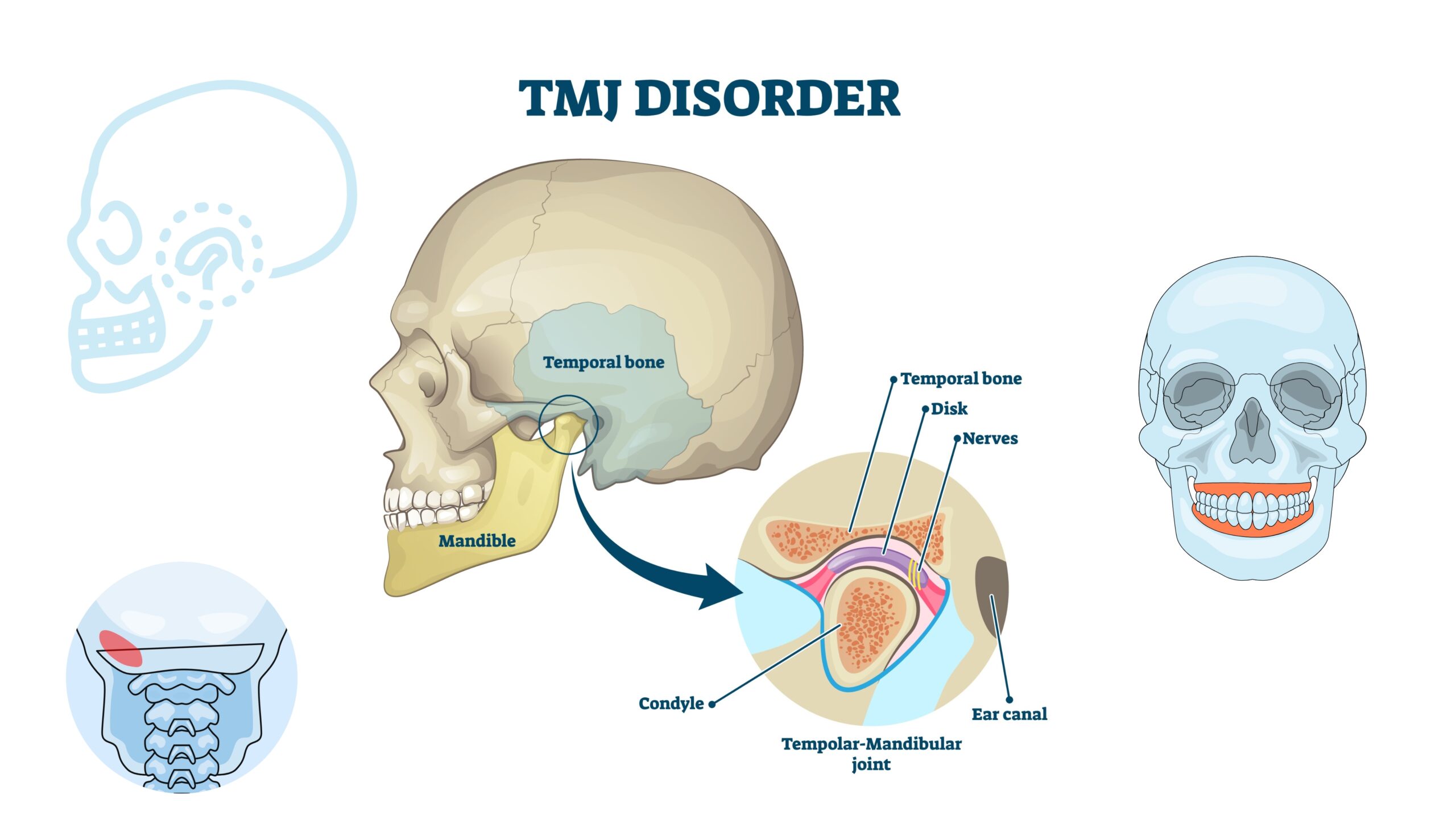
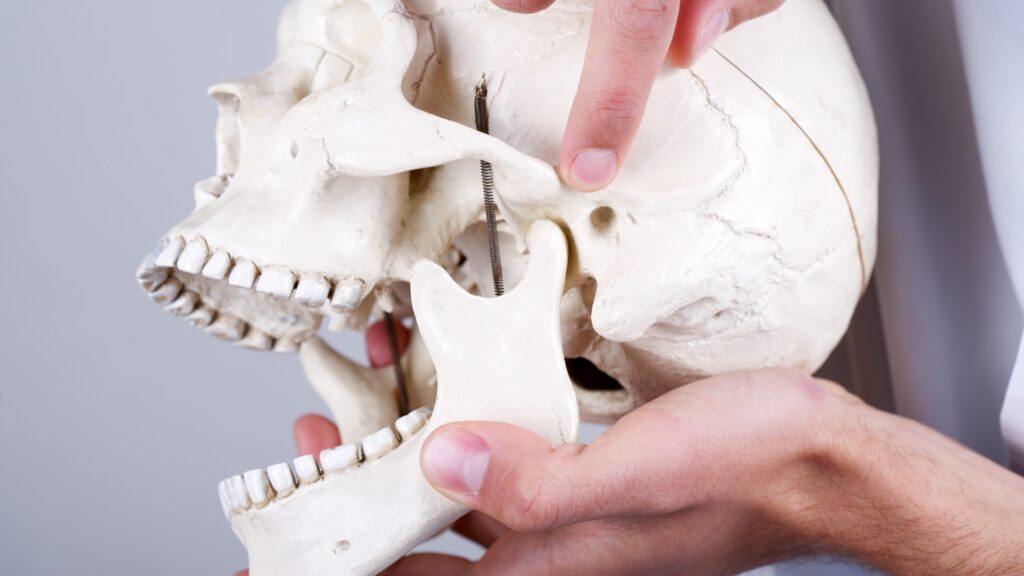
The temporomandibular joint is a marvel of biological engineering. It connects your jawbone (mandible) to your skull (temporal bone) like a sliding hinge. You have one on each side of your face, located just in front of your ears. These joints, combined with a complex network of muscles and ligaments, allow you to chew, speak, yawn, and swallow.
When this system works smoothly, a soft cartilage disc acts as a cushion between the bones, allowing the jaw to glide. When the system fails, we enter the realm of dysfunction.
You will often hear these terms used interchangeably, but there is a distinction:
TMD symptoms are notoriously diverse. Because the jaw muscles connect to the neck and head, the pain often travels, leading to misdiagnosis.
TMJ causes are rarely singular. It is usually a “perfect storm” of physical and lifestyle factors.
This is the number one offender. Clenching jaw at night puts immense pressure—hundreds of pounds of force—on the joint and teeth. This is often an unconscious habit driven by the nervous system.
Absolutely. There is a direct link between the mind and the jaw. When we are stressed, our body releases cortisol, and our muscles tense up as a defense mechanism. Many people carry their tension in their masseter muscles (the chewing muscles), leading to jaw tension. TMJ pain worse at night or upon waking is a strong indicator that stress is fueling nocturnal grinding.
If your teeth don’t fit together correctly (malocclusion), your jaw has to work harder to chew, straining the joint. Additionally, osteoarthritis or rheumatoid arthritis can erode the bone and cartilage of the mandibular joint.
A lesser-known cause is nutrition. A vitamin deficiency and TMJ connection exists, particularly regarding Magnesium and Calcium. These minerals are essential for muscle relaxation and bone health. A lack of them can lead to increased muscle spasms and tension.
If you suspect you have TMD, you might wonder, “What kind of doctor treats TMJ?”
TMJ diagnosis typically involves:
Before jumping to surgery or expensive procedures, most experts recommend starting with conservative management. You can often cure TMJ permanently or at least manage it effectively by changing your habits.
Physical therapy is one of the most effective ways to treat TMD. These exercises strengthen the jaw muscles and improve range of motion. Note: Stop if you feel sharp pain.
This helps align the jaw bone while you chew.
Poor posture (forward head posture) pulls on the jaw muscles.
Self-massage can work wonders.
If natural methods fail to provide TMJ pain relief, it is time to look at professional TMJ treatment options.
For those dealing with Teeth grinding (Bruxism), a mouthguard is non-negotiable.
A professional physical therapist can perform intra-oral massage (massaging muscles inside the mouth), ultrasound therapy, and advanced mobilization techniques to unlock a stiff jaw.
This is gaining immense popularity. Botox for TMJ involves injecting botulinum toxin into the masseter and temporalis muscles.
This is a minimally invasive procedure where needles are inserted into the joint to wash out inflammatory fluids and debris. It can be very effective for locked jaw treatment.
Surgery is always the last resort.
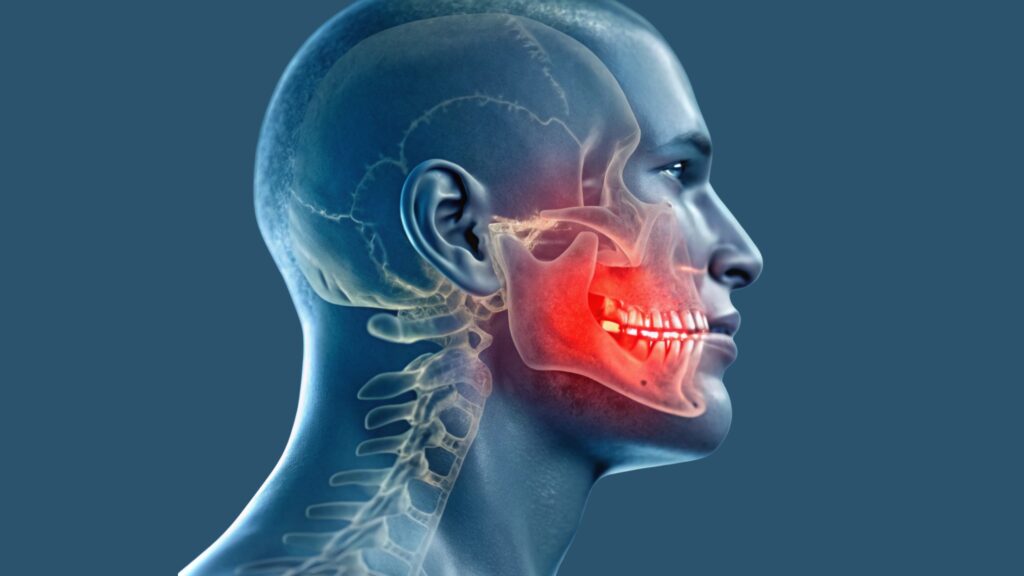
One of the most frustrating aspects of this disorder is its unpredictability. Patients often ask, “How long does a TMJ flare up last?”
The answer depends on the cause. A flare-up caused by a stressful week or eating a hard bagel might last a few days to two weeks. However, chronic untreated TMD can result in a “flare-up” that lasts for months.
Can TMJ go away on its own? In mild cases, yes. If the cause is temporary stress or a minor injury, resting the jaw can allow the inflammation to subside. However, if the cause is structural (arthritis) or habitual (bruxism), it rarely goes away without intervention.
Is TMJ permanent? TMJ disorder is usually manageable rather than “cured” in the traditional sense, especially if arthritis is involved. However, with the right combination of TMJ splint therapy, physical therapy for jaw pain, and lifestyle changes, most patients reach a state where they are pain-free most of the time.
If you are in pain right now, here is a step-by-step plan to get you through the day.
Living with TMJ disorder can feel isolating. The chronic jaw pain, the TMJ headaches, and the fear of a locked jaw can make you feel like your body is fighting against you. But there is hope.
You do not have to accept pain as your new normal. By understanding the TMJ causes, committing to TMJ exercises for pain relief, and seeking professional help from a dentist or ENT, you can restore function and comfort to your life.
Whether you start with simple TMJ massage techniques tonight or schedule a consultation for Botox for TMJ tomorrow, the most important step is the first one. Listen to your body, treat it with kindness, and unlock the relief you deserve.

Q: Can TMJ cause tinnitus? A: Yes, Tinnitus and TMJ are closely linked. Inflammation in the jaw joint can affect the nearby auditory nerves and the muscles of the inner ear, leading to ringing sounds.
Q: Why does my jaw click when I chew? A: This sound occurs when the articular disc (the cushion inside the joint) is displaced. As you open your mouth, the disc snaps back into place, causing the click.
Q: What foods should I avoid with TMJ? A: Avoid hard, crunchy, or chewy foods. This includes gum, ice, raw carrots, taffy, steak, and bagels. Stick to foods to eat with TMJ like soups, fish, and cooked vegetables.
Q: Does magnesium help TMJ? A: Yes. Magnesium for jaw tension is highly effective because magnesium is a natural calcium blocker, which helps muscles relax rather than contract.
Q: Can a vitamin deficiency cause TMJ symptoms? A: Yes, deficiencies in Vitamin D, Calcium, and Magnesium can contribute to muscle, bone, and joint health issues that exacerbate TMD.
 Chronic Sinusitis: Symptoms, Causes & Treatment
 Skull Base Surgery in Gurgaon: Solving Complex Cases Safely
 Oral Cancer Symptoms, Risks, and Prevention Tips Explained
 Choosing the Best Cochlear Implant Surgery Clinic in Gurgaon for Effective Hearing Restoration