

We all know someone who is the “life of the party.” They walk into a room, and the energy shifts. They are captivating, charming, and tell stories with such dramatic flair that you can’t help but be drawn in. They seem to live life in vibrant colour, turning every moment into a performance. While being outgoing and charismatic is a wonderful trait, for some individuals, the need to be the centre of attention isn’t just a preference—it’s an all-consuming, driving force.
When this pattern of excessive emotionality and relentless attention-seeking behaviour becomes so pervasive that it disrupts relationships, work, and one’s sense of self, it may point towards a condition known as Histrionic Personality Disorder (HPD).
This condition is one of the most misunderstood personality disorders, often unfairly dismissed as someone just being “overly dramatic” or a “drama queen.” But beneath the theatrical surface of this dramatic personality lies a complex and often painful internal world, driven by a deep-seated need for validation and a fear of being invisible.
This in-depth guide aims to pull back the curtain on Histrionic Personality Disorder. We will move beyond the stereotypes to offer a clear, compassionate, and comprehensive understanding of what is HPD, what it feels like to live with, and how genuine healing is possible. This is for anyone who sees these traits in themselves, for those struggling to understand a loved one, and for anyone who wants to replace judgment with knowledge.
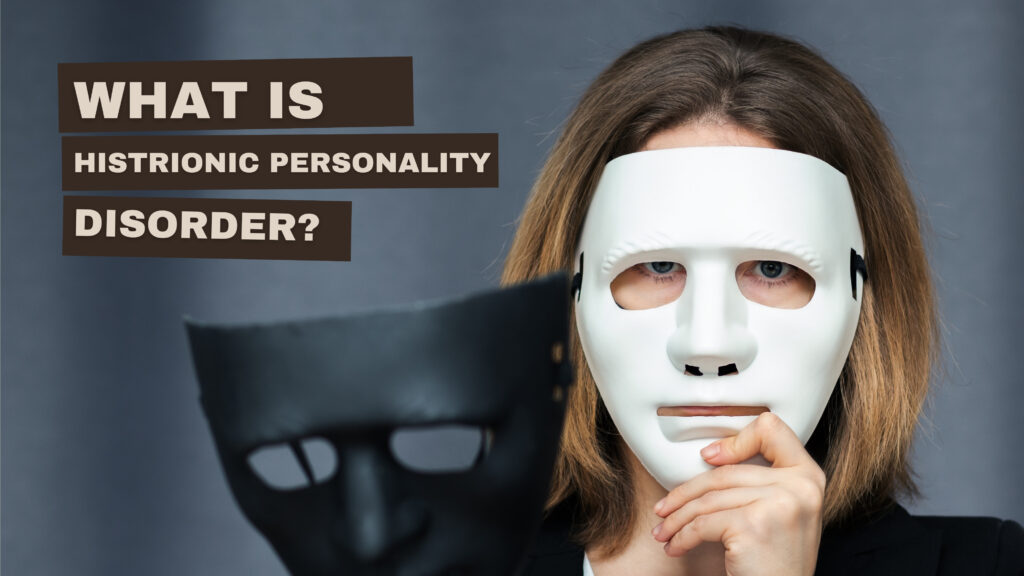
At its core, Histrionic Personality Disorder (HPD) is a mental health condition that belongs to the Cluster B personality disorders. This cluster, which also includes Narcissistic, Borderline, and Antisocial personality disorders, is characterised by patterns of thinking and behaving that are dramatic, overly emotional, and often unpredictable.
The defining feature of HPD is a person’s overwhelming need to be the centre of attention. Their self-esteem is not internally regulated; instead, it is critically dependent on the approval and attention they receive from others.
Imagine your sense of self-worth is like a phone that has no internal battery. To stay charged, it must constantly be plugged into an external power source—in this case, the attention of other people. When the attention is flowing, the person feels alive, vibrant, and charged up. But the moment the plug is pulled and they are no longer the focus, they feel an uncomfortable, anxious fade, a sense of worthlessness that drives them to do whatever it takes to get plugged back in. This isn’t a conscious decision to be manipulative; it’s a deeply ingrained survival mechanism.
To understand HPD better, let’s look at the patterns of behavior that clinicians use for diagnosis. The official HPD diagnosis criteria outline a pervasive pattern of excessive emotionality and attention-seeking. Here are the common signs of histrionic personality disorder, explained in everyday language. These are the key HPD symptoms to be aware of.
1. The Unquenchable Thirst for Attention: The central theme of HPD is feeling deeply uncomfortable in situations where they are not the centre of attention. This isn’t just a preference for the spotlight; it’s a genuine distress when it moves elsewhere. They will often employ various tactics—some subtle, some not—to redirect the focus back to themselves.
2. The Use of Provocative or Seductive Behaviour: Individuals with HPD often engage in inappropriately seductive or provocative behaviour to draw attention. This is not necessarily about genuine sexual desire but is used as a tool to captivate and hold an audience. This can manifest in provocative clothing, a flirtatious manner of speaking, or sexually charged comments in contexts where it is not appropriate, such as professional settings.
3. A Rollercoaster of Shallow and Rapidly Shifting Emotions: A key trait is the display of intense, dramatic emotions that can seem to turn on and off with surprising speed. They might be sobbing uncontrollably one moment and laughing exuberantly the next. To an observer, these emotional displays can feel exaggerated or inauthentic because they often lack the depth and persistence of genuine feelings. This is a classic example of the shallow emotions associated with the disorder.
4. Using Physical Appearance to Command Focus: There is often a significant preoccupation with physical appearance. They consistently use their looks to draw attention to themselves. This can involve spending excessive time and money on clothing, grooming, and their overall appearance to ensure they are visually captivating.
5. A Vague and Impressionistic Style of Speech: When they speak, individuals with HPD tend to be expressive and dramatic but often lack detail and specificity. They might say, “The party was absolutely magical and transcendent!” but struggle to provide concrete details about why it was so wonderful. Their speech is about conveying an emotional impression rather than factual information.
6. Overly Theatrical and Exaggerated Expressions: Their expression of emotion is often described as theatrical. A minor disappointment might be met with dramatic sighs and declarations of despair, while a small piece of good news could elicit shrieks of ecstatic joy. This is a core part of the dramatic personality often seen in HPD.
7. High Suggestibility and Being Easily Influenced: People with HPD are often highly suggestible. Their opinions, feelings, and convictions can be easily swayed by the people they are with or by fleeting trends. This reflects a less-defined sense of self, as their identity can shift to match whatever they believe will garner the most approval in the moment.
8. Misperceiving Relationships as More Intimate Than They Are: They have a tendency to overestimate the level of intimacy in their relationships. A casual acquaintance might be referred to as a “dearest, closest friend,” or they might interpret a friendly gesture from a colleague as a sign of a deep, romantic connection. This can lead to confusion and discomfort for the other person involved.
To make these traits more concrete, let’s explore some histrionic personality disorder examples in everyday situations:
While the external behavior can be frustrating, it’s crucial to understand the internal experience of someone living with HPD. The captivating persona is often a mask for deep-seated insecurity and a fragile sense of self.
If you’re reading this and asking the question, “Am I histrionic?“, it’s a sign that you are self-aware and seeking understanding. Reading about HPD symptoms and seeing yourself in them can be frightening. However, only a licensed mental health professional can provide an accurate diagnosis. This self-reflection is a courageous first step. Recognizing these patterns is the beginning of a journey toward building a more stable and authentic sense of self.
HPD is often confused with other Cluster B personality disorders, particularly Narcissistic Personality Disorder (NPD) and Borderline Personality Disorder (BPD). Understanding the differences is key.
There is no single cause for HPD. Like other personality disorders, the histrionic personality disorder causes are believed to be a complex mix of genetic, environmental, and developmental factors. Researchers believe it stems from a combination of an inherited temperament for emotional sensitivity and a childhood environment where attention was inconsistent or only given for specific “performance-based” behaviors.
Yes, absolutely. While personality disorders are deeply ingrained and challenging to treat, the right HPD treatment can help people manage their condition and build more fulfilling lives. However, the first hurdle is often a lack of insight; they may not believe they have a problem and instead blame others for their relationship difficulties.
The benefits of seeking therapy for HPD are life-changing:
The primary approach is long-term psychotherapy:
Dealing with someone with HPD can be emotionally taxing. Their constant need for drama and attention can leave you feeling drained and unimportant. This is especially true when coping with a histrionic partner. Here are some strategies:

In our modern world, the spotlight has never been so accessible. It’s no longer reserved for actors on a stage or politicians at a podium. It’s in the palm of our hands, in the form of a perfectly curated Instagram feed, a viral TikTok video, or even just being the witty, captivating center of a friend group. The allure of the spotlight is powerful. It promises validation, admiration, and a sense of belonging. It whispers that to be seen is to be valued.
But for many, this constant performance becomes a gilded cage. The applause, the likes, and the attention are intoxicating, yet they come with a hidden cost: a slow, subtle disconnect from our true selves. We become so focused on playing a role that we forget who we are when the curtain falls. The silence that follows can feel terrifyingly empty.
This is the paradox of living for the spotlight. The very thing we seek to fill us up—external validation—can leave us feeling hollow. The journey to true, lasting contentment lies not in chasing a brighter light, but in finding the courage to step away from the stage and discover the quiet, unshakeable power of authenticity. This journey looks different for everyone, from those with a simple case of “spotlight syndrome” to those whose lives are defined by it, sometimes pointing to conditions like Histrionic Personality Disorder (HPD).
Our craving for the spotlight isn’t just a modern invention; it’s rooted in our fundamental human need to belong. This can manifest as a simple desire for connection, but it can also escalate into a pattern of attention seeking behavior. Social media has become our digital stage, where we are all encouraged to master our personal brand.
The problem is that this stage demands a constant performance. We post our wins but hide our struggles. We craft witty captions and select perfect filters, all in service of a persona we believe is more likable and successful than our authentic self. This creates a dangerous validation loop where fleeting digital approval becomes tied to our self-worth, and anything less feels like a failure.
When this pattern becomes extreme, it moves beyond a simple character trait. It isn’t just having a dramatic personality; it can become a pervasive and distressing way of life. The constant performance leads to exhaustion, imposter syndrome, and connections that feel wide but are built on shallow emotions.
For some, the need for attention isn’t just a habit; it’s the central organizing principle of their life. This is where we see patterns that may align with certain Cluster B personality disorders. So, what is HPD? In clinical terms, it’s a condition where a person’s self-esteem is almost entirely dependent on external validation. The core HPD symptoms include a desperate need to be the center of attention, inappropriately provocative behavior, and theatrical emotional displays. There are many histrionic personality disorder examples, from dominating every conversation to creating drama to ensure all eyes are on them.
This pattern isn’t a simple choice. The histrionic personality disorder causes are complex, often stemming from a mix of temperament and early life experiences where attention was inconsistent or conditional. Understanding this helps move from judgment to compassion.
If you see yourself in these descriptions and are asking, “Am I histrionic?“, it’s a sign of valuable self-awareness. It’s crucial to know that the official HPD diagnosis criteria are complex and require evaluation by a professional. It’s also important to clarify the picture. Many people confuse the signs of histrionic personality disorder with other conditions. The dynamic of HPD vs NPD (Narcissism) is a key distinction: HPD seeks any attention to feel seen, while NPD seeks admiration to feel superior. Similarly, the Histrionic vs Borderline comparison shows differences in emotional depth and the core fear of abandonment in BPD.
Regardless of a diagnosis, recognizing that you’re living for the spotlight is the first step toward freedom.
For anyone feeling trapped by the need for external validation—whether it’s a mild habit or a pattern resembling that of someone living with HPD—the path back to self is a gentle, intentional process.
1. Take a Digital Dimmer Switch You don’t have to delete your social media, but you can change your relationship with it. Curate your feed for peace, not pressure. Unfollow accounts that trigger comparison. Practice experiencing moments without the need to document them. Allow some parts of your life to belong only to you.
2. Tune In to Your Inner Voice Authenticity thrives in stillness. The voice of your true self is often quiet and can be easily drowned out. Create moments of solitude through journaling, meditation, or simply taking a quiet walk. Ask yourself what truly matters to you when no one is watching.
3. Build Your Backstage Crew The spotlight offers a wide audience, but authenticity is nurtured in a small, trusted circle. The nature of HPD and relationships is often turbulent because they lack this depth. Invest your energy in connections built on vulnerability. A true friend is not someone who applauds your performance but someone who sits with you in your unedited reality.
For those whose patterns are more deeply ingrained, the journey to authenticity often requires professional guidance. Effective HPD treatment is available, and therapy for HPD, particularly psychodynamic therapy or CBT, can help build internal self-worth.
For those on the outside, dealing with someone with HPD or coping with a histrionic partner requires immense patience and strong boundaries. It’s essential not to reward dramatic behaviour while offering compassion and encouraging them to seek professional help.
The journey beyond the spotlight is not about rejecting society. It’s about learning to engage with the world from a place of solid, internal self-worth. It’s the shift from asking, “What do they want to see?” to asking, “What is true for me?”
Authenticity is not a final destination but a continuous practice of returning to yourself. It is the freedom to be imperfect, to be quiet, to be gloriously and unapologetically real. The most profound discovery you will make is that the validation you were chasing all along was waiting for you inside. The real show, the one that truly matters, begins the moment the spotlight turns off.
#Attention-Seeking Behavior #Dealing with Histrionic Personality Disorder #Excessive Emotionality #HPD Treatment #HPD vs Narcissism #Living with Histrionic Personality Disorder #Personality Disorder Types
 Chronic Sinusitis: Symptoms, Causes & Treatment
 Skull Base Surgery in Gurgaon: Solving Complex Cases Safely
 Oral Cancer Symptoms, Risks, and Prevention Tips Explained
 Choosing the Best Cochlear Implant Surgery Clinic in Gurgaon for Effective Hearing Restoration