28 September 2025
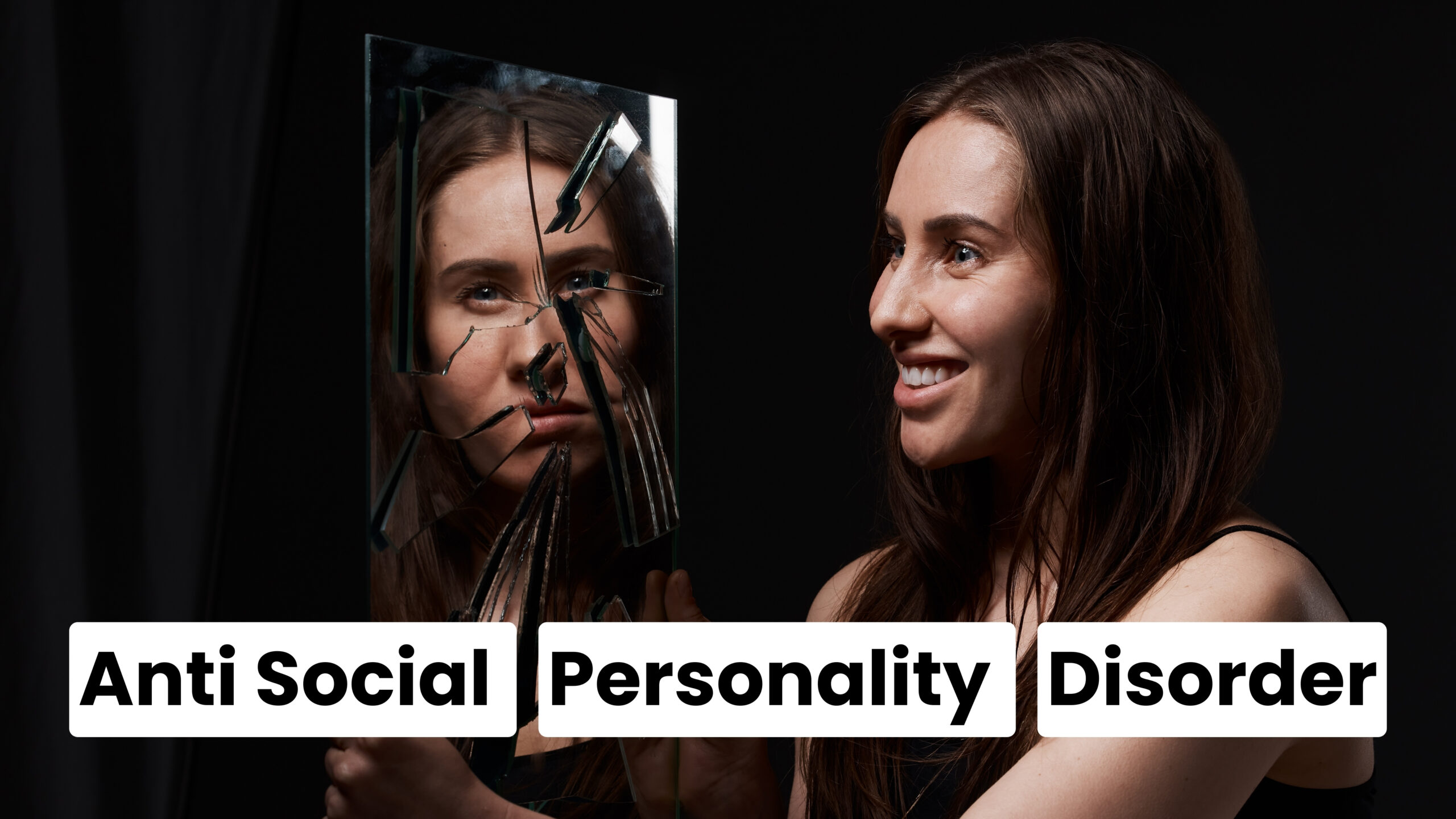
In movies and TV shows, the person with antisocial personality disorder (ASPD) is often portrayed as a one-dimensional villain—a cunning, heartless criminal or a manipulative mastermind. While these portrayals make for dramatic television, they paint a frightening and incomplete picture, leaving out the human complexity, internal struggles, and the profound impact the disorder has on both the individual and those around them.
So, what is it really like to live with ASPD? How does someone with this condition navigate a world built on social rules, emotional connections, and empathy they may not naturally feel?
This blog aims to look beyond the stereotypes, offering a compassionate and honest exploration of Antisocial Personality Disorder. It’s for the person struggling to understand their own mind, the family member feeling lost and hurt, and anyone seeking to replace judgment with genuine understanding.
What is Antisocial Personality Disorder, in Simple Terms?
Before diving into the experience, let’s clarify what ASPD is. At its core, Antisocial Personality Disorder is a mental health condition characterized by a pervasive and long-term pattern of disregarding or violating the rights of others.
Think of it like this: most people have an internal “compass” of social and moral rules that guides their behavior. This compass helps us understand things like fairness, guilt, and the impact of our actions on others. For someone with ASPD, that compass is often weak or broken. They may intellectually know the difference between right and wrong, but they don’t feel it in the same way.
This isn’t a choice in the way we choose what to wear. It’s a deeply ingrained pattern of thinking, feeling, and behaving that often starts in childhood or early adolescence (as conduct disorder) and solidifies in adulthood.
The Internal World vs. The External Behavior
To understand life with ASPD, we have to separate the internal experience from the observable actions.
The Internal Experience: A Quiet or Disconnected Inner World
- A Lack of Empathy: This is a cornerstone of ASPD. It’s not necessarily about wanting to hurt others, but a genuine inability to put themselves in someone else’s emotional shoes. They might see that someone is crying but struggle to feel the sadness or distress alongside them. This can lead to actions that seem cruel, but from their perspective, the emotional consequences for others simply don’t register.
- Shallow Emotions: While they can experience emotions like anger, frustration, and excitement, deeper feelings like love, remorse, and guilt are often muted or absent. This can create a sense of being an outsider, an actor playing a part in a world of emotions they can only observe. They might learn to mimic emotions to fit in, which can be exhausting and isolating.
- Constant Boredom and a Need for Stimulation: A chronic feeling of emptiness or boredom is common. This drives a relentless search for excitement, risk, and novelty. A calm, stable life can feel excruciatingly dull, leading to impulsive and often reckless behavior just to feel something.
- A Focus on a Different Goal: While most people are motivated by connection, love, or community, a person with ASPD is often driven by more pragmatic goals: power, personal gain, or stimulation. Their decision-making process is highly logical but filtered through a lens of “what’s in it for me?”
The External Behavior: What the World Sees
This internal wiring leads to behaviors that often cause significant conflict and harm:
- Impulsivity: Acting on a whim without considering the long-term consequences for themselves or others. This can lead to sudden job changes, broken relationships, and financial or legal trouble.
- Manipulation and Deceit: Because they are not guided by guilt, lying or manipulating others to achieve a goal can feel like a practical tool, not a moral failing. They are often charismatic and charming, which makes their deceit more effective.
- Irresponsibility: A consistent failure to sustain a job, honor financial obligations, or fulfill parental duties. The needs of others often come second to their own immediate wants.
- Aggression and Irritability: A low tolerance for frustration can lead to frequent arguments, fights, and aggression.
- Disregard for Safety: A pattern of reckless behavior, with little concern for their own safety or the safety of others (e.g., speeding, substance abuse).
The Devastating Impact on Relationships and Life
Living with ASPD is incredibly challenging. The very traits of the disorder sabotage the things that make up a stable, fulfilling life.
- For the Individual with ASPD: They often exist in a state of social isolation, even if surrounded by people. Relationships are transactional and rarely provide genuine connection or comfort. The consequences of their impulsivity lead to a life of instability—job loss, homelessness, and incarceration are common. They may feel like they are constantly at war with the world, unable to understand why the rules everyone else follows seem so arbitrary.
- For Loved Ones and Family: Being in a relationship with someone with ASPD can be a painful and confusing experience. It can feel like being on an emotional rollercoaster, marked by moments of charm followed by periods of coldness, deceit, and betrayal. Loved ones often feel used, manipulated, and emotionally exhausted. It is crucial for them to set firm boundaries to protect their own well-being.
Busting the Myths: Important Truths About ASPD
- Myth: Everyone with ASPD is a violent criminal.
- Truth: While ASPD increases the risk of criminal behavior, many individuals with ASPD are not violent and have never been incarcerated. They may be successful (but ruthless) business leaders, con artists, or simply people who struggle to maintain relationships and jobs.
- Myth: ASPD is the same as psychopathy.
- Truth: Psychopathy is considered a more severe form of ASPD, characterized by a complete lack of empathy and a more calculated, predatory nature. All psychopaths would meet the criteria for ASPD, but not everyone with ASPD is a psychopath.
- Myth: People with ASPD can never change.
- Truth: Change is very difficult, but not impossible. ASPD is notoriously hard to treat because individuals rarely believe they have a problem. However, therapy can be beneficial, especially if it is focused on practical consequences rather than emotional appeals.
Is There Help? The Path to Management and a Better Life
Treatment for ASPD is challenging but offers a path to managing the condition and reducing harmful behaviors.
- The Goal of Therapy: Treatment rarely aims to “cure” ASPD by instilling empathy. Instead, it focuses on helping the individual see how their behavior negatively impacts their own life and goals. The motivation is self-interest: “If I stop doing X, I am less likely to go to jail or lose my apartment.”
- Types of Therapy:
- Cognitive Behavioral Therapy (CBT): Helps identify and challenge the distorted thought patterns that lead to harmful actions.
- Mentalization-Based Therapy (MBT): Aims to help individuals better understand their own mental states and those of others.
- No Medication for ASPD: There is no specific medication to treat ASPD itself, but medications may be prescribed to manage co-occurring conditions like anxiety, depression, or aggression.
- The Importance of Boundaries: For family and friends, the most helpful action is to stop enabling harmful behavior and to establish firm, consistent boundaries. This is not about punishment, but about protecting their own mental and financial health.
Living with Antisocial Personality Disorder is a life lived out of sync with the rest of the world. It is a life marked by internal emptiness and external chaos. But by moving past the cinematic villains and understanding the human reality of the disorder, we can create more effective pathways for management and offer more meaningful support for the families caught in its wake.

 Chronic Sinusitis: Symptoms, Causes & Treatment
 Skull Base Surgery in Gurgaon: Solving Complex Cases Safely
 Oral Cancer Symptoms, Risks, and Prevention Tips Explained
 Choosing the Best Cochlear Implant Surgery Clinic in Gurgaon for Effective Hearing Restoration