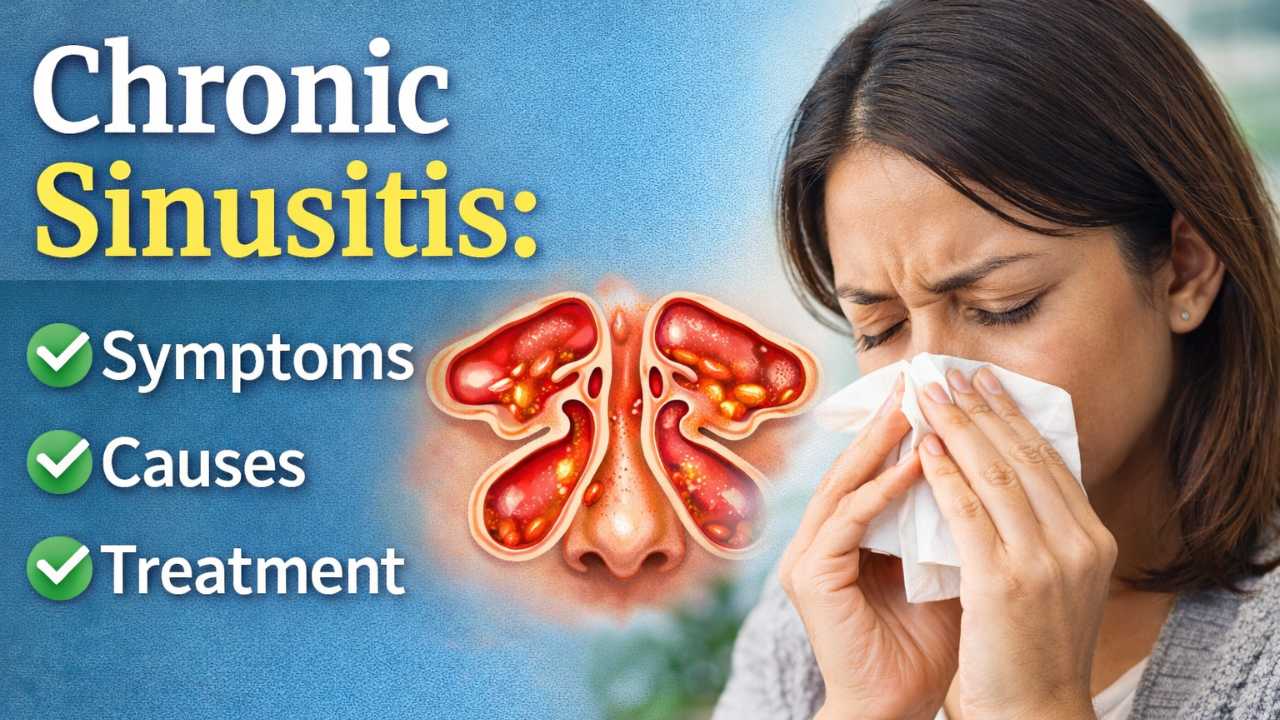
Suffering from Nose bleeds often?

0 Comments

A sudden trickle of blood, a red stain on a tissue—nosebleeds, while often harmless, can be alarming and inconvenient. From dry winter air to accidental knocks, various factors can trigger these episodes. Nosebleeds, medically known as epistaxis, occur when blood vessels in the nasal passages rupture and bleed. They can be categorized into anterior nosebleeds, which originate from the front of the nose, and posterior nosebleeds, which occur deeper in the nasal cavity and may require medical attention. The most common type, anterior nosebleeds, are typically benign and can often be managed at home.


Common causes of nosebleeds:

* Pricking the nose
* Blowing the nose very hard
* Minor nose injury
* Temperature or humidity changes
* Dry nose with crusting
* High blood pressure in the elderly age group


When faced with a nosebleed, here are the First Aid measures you can take to manage it effectively:
✅ Stay calm
✅ Immediately sit upright and lean slightly forwards and pinch with both fingers the part of your nose just above the nostrils.
✅ Breathe through your mouth while leaning forward.
✅ Maintain pressure on the nose for at least 10-15 minutes.
✅ Apply cold compressions with an ice pack over the bridge of your nose.


Connect with an ENT specialist if :-

👉Nosebleeds occur regularly
👉An infant aged 2 years or below has nose bleeding
👉The bleeding continues for over 20 minutes
👉The bleeding is profuse and the patient loses a lot of blood
👉The patient has difficulty breathing
 
How can one prevent nose bleeds?
While nosebleeds may be challenging to completely prevent, there are measures you can take to reduce their occurrence:
  • Keep Nasal Passages Moist: Use a humidifier to add moisture to the air, especially during dry weather or in heated indoor environments. Nasal saline sprays or rinses can also help keep the nasal passages moist and prevent dryness.
  • Avoid Nasal Trauma: Refrain from picking, scratching, or blowing your nose too forcefully, as these actions can damage the delicate blood vessels in the nasal passages.
  • Manage Underlying Conditions: If you have allergies, sinusitis, or other medical conditions predisposing you to nosebleeds, work with your healthcare provider to manage these conditions effectively.
  • Be Mindful of Medications: Inform your healthcare provider about any medications you’re taking, especially blood thinners or nasal decongestants, as these may increase the risk of nosebleeds. Follow your prescribed regimen and dosages carefully.
 
Conclusion:
Nosebleeds, though common, can be managed effectively with knowledge and simple interventions. By understanding the causes, taking preventive measures, and knowing how to respond when a nosebleed occurs, you can minimize their impact on your daily life. Remember, most nosebleeds are benign and resolve on their own with basic first aid. However, if you’re ever unsure or if bleeding persists, don’t hesitate to seek medical assistance. With a little care and attention, you can keep those nosebleeds at bay and breathe easy!

Share: Facebook Pinterest Linkedin Tweet
Categories:

Leave a Reply

Your email address will not be published. Required fields are marked *

Related Posts

Microear Surgery in Gurgaon Microear Surgery in Gurgaon
Many ear problems do not announce themselves loudly. They begin with small signs that are
Sinus Surgery When Medicines Fail: How Functional Endoscopic Sinus Surgery in Gurgaon Helps Chronic Sinusitis and Recurrent Infections
Many people in Gurgaon suffer from long-term sinus problems that never seem to fully heal.
Sinusitis Is So Common in Gurgaon Why Sinusitis Is So Common in Gurgaon: Pollution, Lifestyle & What ENT Doctors Recommend
Sinusitis Is So Common in Gurgaon that many residents consider nasal blockage and headaches part
Mental Health Why Micro-Habits Beat Big Resolutions for Mental Health in 2026
Mental Health has become a major concern for people living in Gurgaon. Fast work culture,