
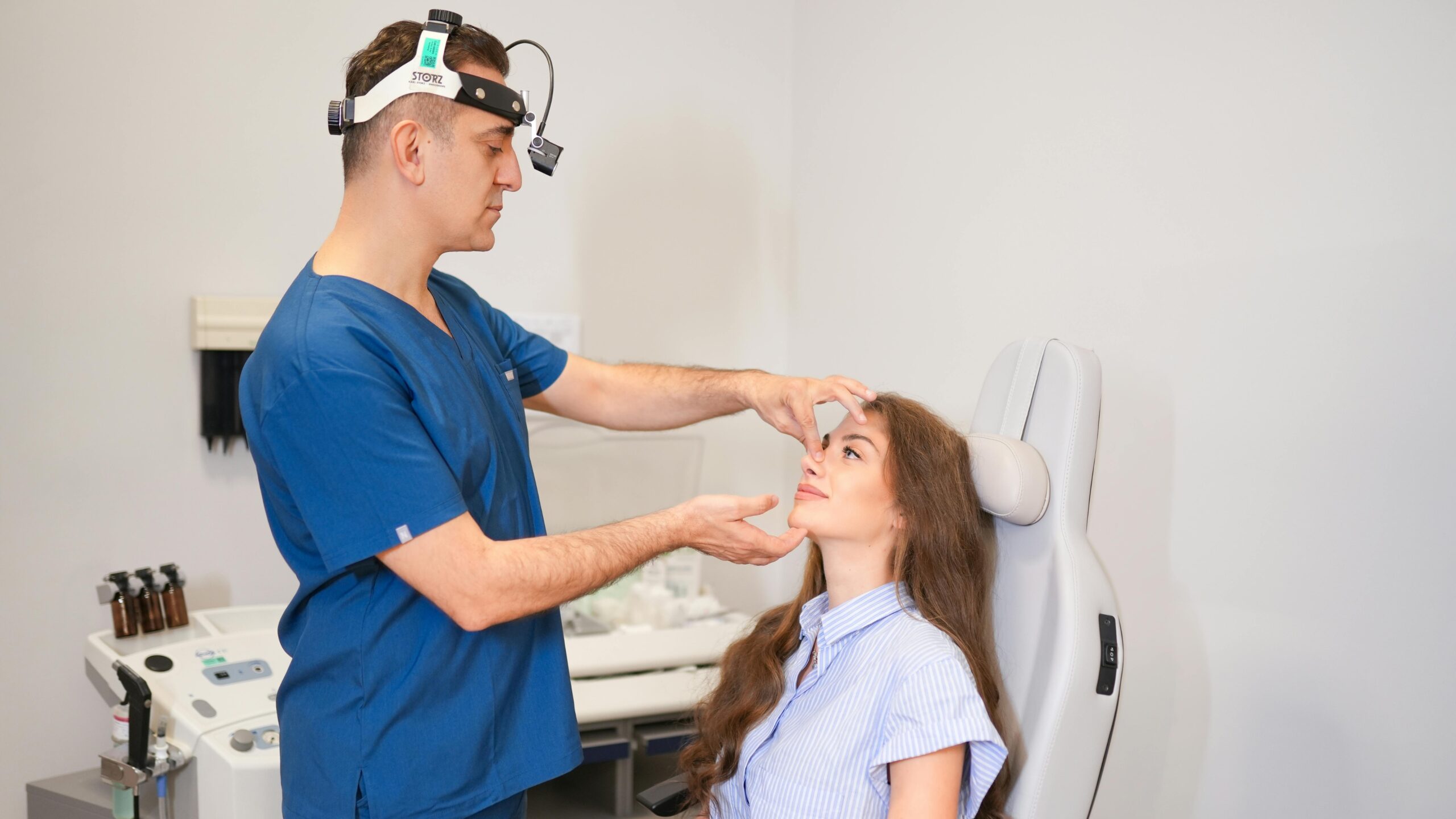
Nose Still Blocked – You endured the uncomfortable packing, the days of mouth-breathing, and the weeks of recovery. You were promised a life of clear breathing, better sleep, and an end to the constant struggle for air.
But here you are, three, six, or maybe even twelve months later, and your nose is still blocked.
It is a frustrating, disheartening, and often anxiety-inducing position to be in. You might be asking yourself: Did the surgery fail? Did my septum grow back? Is this just how I am destined to breathe forever?
If you are living in Delhi, Gurgaon, or anywhere in the Delhi NCR region, where pollution and allergens already challenge your respiratory health, a failed nasal surgery can feel like a nightmare. But before you panic, you need to understand the anatomy of what is happening inside your nose.
A persistent blocked nose after Septoplasty (Deviated Septum Surgery) is not uncommon, but it is also not something you simply have to “live with.” In many cases, the blockage isn’t because the surgery “didn’t work,” but because of secondary factors that were either overlooked or have developed during healing.
This comprehensive guide will walk you through the 5 critical things you need to understand if you are still congested months post-surgery. We will dive deep into the medical reasons, the difference between “swelling” and “blockage,” and why a second opinion from an expert ENT Specialist in Gurgaon at Medicon Multispeciality Clinic might be the key to finally getting that deep breath you deserve.
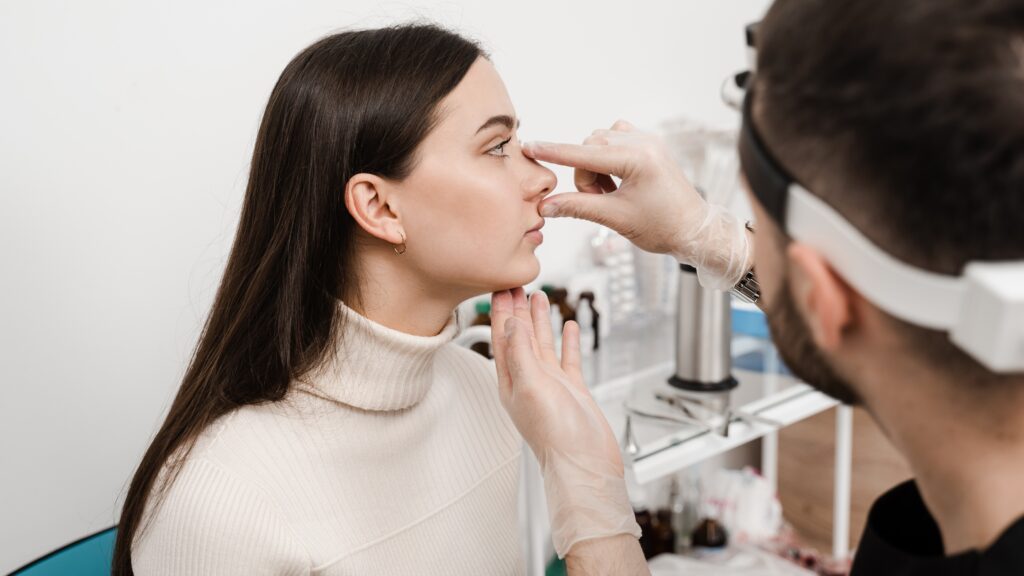
The first thing to understand is the deceptive nature of nasal healing. Many patients expect a “light switch” moment—surgery happens, and suddenly the airway is open. In reality, rhinologic healing is a slow curve.
While the external bruising vanishes in weeks, the internal tissues of the nose take much longer to settle.
Sometimes, the airflow is physically clear, but you feel blocked. This can happen if the nerve endings in the nasal lining were temporarily stunned during surgery. Your brain relies on the sensation of cool air hitting these nerves to know you are breathing. If the nerves aren’t firing, you feel congested even if the airway is wide open.
This is perhaps the most common reason for Septoplasty dissatisfaction that we see at our Gurgaon clinic.
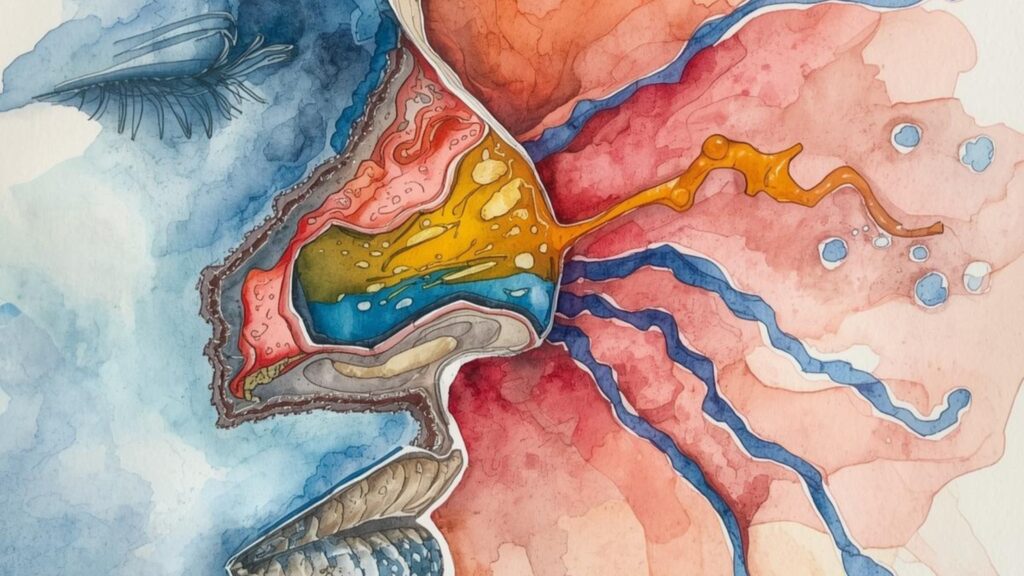
Septoplasty fixes the Septum—the wall in the middle of your nose. But your nose also has side walls.
The “Internal Nasal Valve” is the narrowest part of your airway. It is located just a centimeter or so inside your nostril. Think of it like a tent. The septum is the center pole holding the tent up. But if the side of the tent is flimsy, it will cave in every time a breeze blows.
If you have weak cartilage in your outer nose, correcting the septum alone won’t fix your breathing. In fact, sometimes straightening the septum changes the airflow dynamics, making a Nasal Valve Collapse more obvious than it was before.
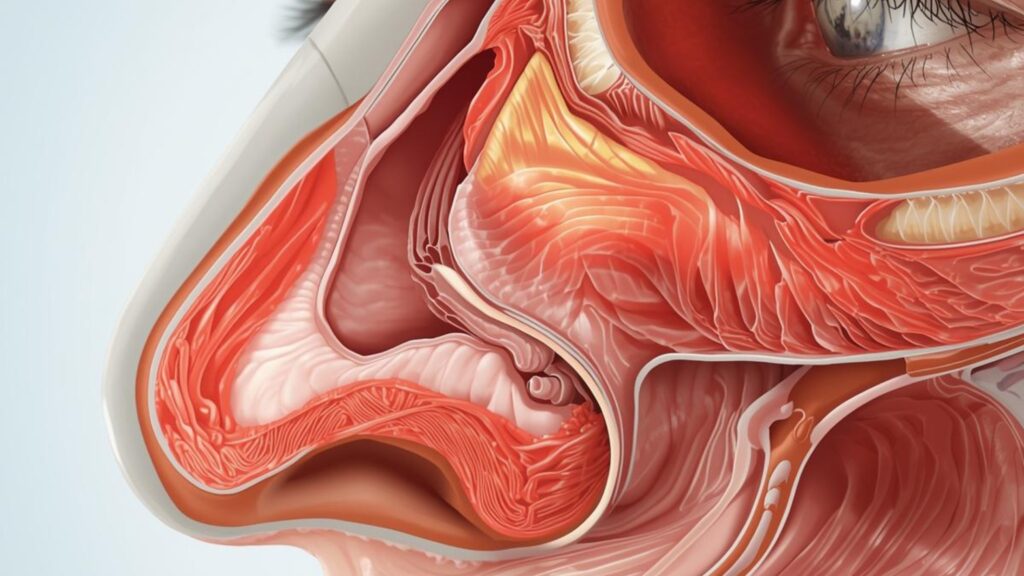
Your septum is not the only structure inside your nose. Lining the side walls are long, sausage-shaped structures called Turbinates. Their job is to warm and humidify the air you breathe.
Turbinates are highly reactive. They swell up in response to:
In many Septoplasty surgeries, the surgeon also shrinks these turbinates (Turbinate Reduction). However, turbinates can grow back. If you suffer from untreated Chronic Allergic Rhinitis, your turbinates may have swollen up again in the months following your surgery, re-blocking the space that the surgeon cleared for you.
Why Medicon Matters: At Medicon Multispeciality Clinic, we don’t just look at the bone. We evaluate the mucosal health. If your turbinates are the issue, revision surgery might not be needed—advanced medical management or minor in-office radiofrequency procedures might clear your blocked nose permanently.

This is a crucial distinction: Septoplasty is a structural surgery, not a chemical cure.
Imagine your nose is a hallway. Septoplasty straightens the crooked wall to make the hallway wider. But if the hallway is filled with smoke (inflammation), you still can’t breathe.
Living in Delhi NCR means your nose is constantly bombarded with PM2.5, dust, and smoke. Even with a perfectly straight septum, this toxic air causes the lining of your nose to become chronically inflamed (Chronic Rhinitis).
Finally, we must address the surgical complications. Sometimes, the healing process itself creates a new blockage.
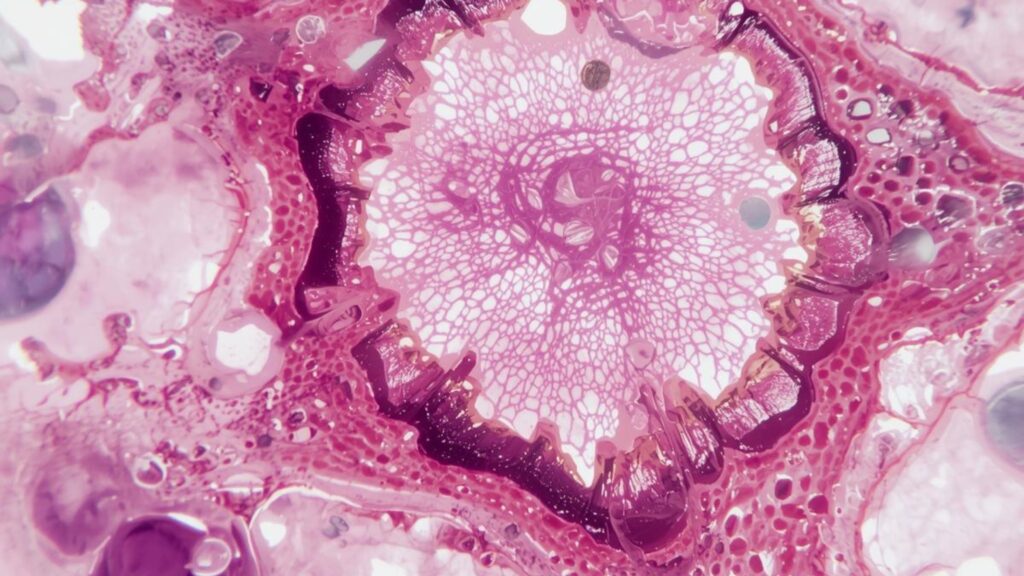
During healing, the raw surface of your septum can sometimes accidentally stick to the raw surface of your turbinate. As it heals, it forms a bridge of scar tissue across the airway, called a Synechia.
It is also possible that the original deviation wasn’t fully corrected. The septum is a complex structure that goes far back into the skull. Sometimes, a surgeon fixes the front part (which is visible) but leaves a deviation further back (posterior septal deviation) that continues to cause obstruction.
If you are nodding along to these points, feeling the frustration of a nose still blocked months after surgery, you need answers. You don’t just need a doctor who will glance at your nose and say “it looks straight.” You need a detective.
This is where Medicon Multispeciality Clinic in Gurgaon excels.
We utilize high-definition Nasal Endoscopy to take a tour inside your nose. We don’t just guess if it’s a valve collapse or a turbinate issue; we show you. We can spot the hidden posterior deviations or tiny scar tissue bridges that others miss.
We understand that a “straight looking” nose isn’t enough. We focus on functional airflow. We assess your nasal valves, your mucosal health, and your allergic triggers specific to the Delhi/Gurgaon environment.
If your primary surgery did not achieve the desired results, our team comprises some of the leading ENT Specialists in Delhi NCR for Revision Septoplasty. We specialize in complex cases where standard surgery failed.
We treat the whole patient. If your blockage is due to the Delhi pollution or allergies, we combine your surgical care with a robust medical management plan to ensure your results last a lifetime.
A blocked nose affects your sleep, your energy, your exercise, and your quality of life. You underwent surgery to fix this. You deserve to breathe freely.
If it has been months and you are still struggling, do not assume this is the end of the road. Whether it is a hidden valve collapse, a regrowth of turbinates, or simple scar tissue, there is almost always a solution.
Take the next step. Stop living with the blockage.
When you are suffering from a nose still blocked after surgery, you don’t just need a doctor; you need a problem solver. You need a team that understands the intricate geometry of the nasal airway and the unique environmental challenges of living in Delhi NCR.
At Medicon Multispeciality Clinic in Gurgaon, we have established a specialized protocol for “Post-Septoplasty Obstruction.” We don’t dismiss your symptoms as “just swelling” or “all in your head.” We treat your persistent blockage as a medical mystery that needs to be solved. Here is exactly how we help you find the relief you were promised.
The standard torch-light exam is often insufficient to spot the subtle causes of post-surgical blockage. At Medicon, we utilize High-Definition Video Nasal Endoscopy.
This is a game-changer. It allows our ENT specialists to take a guided tour deep inside your nasal cavity while you watch on a screen. We can instantly visualize:
Correcting a “failed” surgery is significantly more complex than performing a primary surgery. It requires a surgeon with advanced skills in reconstruction. Medicon is a hub for Revision Septoplasty in Delhi NCR.
Our surgeons do not just remove bone; they reconstruct the airway. If your blockage is due to Nasal Valve Collapse, simply removing more septum won’t help. We perform Functional Rhinoplasty, using cartilage grafts (often from your ear or rib) to reinforce the weak side walls of your nose. This acts like a “breathe right strip” implanted under the skin, permanently keeping your airway open.
If your turbinates have regrown or are chronically swollen due to Gurgaon’s pollution, we move beyond basic cutting tools. We utilize advanced technologies like Radiofrequency Ablation (Coblation). This technique shrinks the swollen tissue using low-temperature radiofrequency energy. It is precise, causes minimal bleeding, and preserves the healthy lining of the nose, ensuring that your turbinates still function to humidify air without blocking it.
We recognize that a patient in Gurgaon faces different challenges than a patient in a pollution-free city. A structurally perfect nose can still feel blocked if the lining is inflamed by PM2.5 particles.
We don’t just operate and say goodbye. We integrate your surgical care with comprehensive medical management:
We understand the anxiety of facing a potential second procedure. At Medicon, transparency is our core value. We will show you your endoscopy video. We will draw out the mechanics of your blockage. We will never recommend revision surgery unless it is absolutely necessary.
You trusted the process once, and it didn’t work out. Let Medicon Multispeciality Clinic restore your trust—and your breathing. We turn “failed” outcomes into success stories, ensuring that this time, the clear airway is here to stay.
Contact Medicon Multispeciality Clinic, Gurgaon today. Let our experts analyze why your surgery didn’t give you the relief you expected—and let us chart the path to finally clearing the air.
 Chronic Sinusitis: Symptoms, Causes & Treatment
 Skull Base Surgery in Gurgaon: Solving Complex Cases Safely
 Oral Cancer Symptoms, Risks, and Prevention Tips Explained
 Choosing the Best Cochlear Implant Surgery Clinic in Gurgaon for Effective Hearing Restoration