

The holiday season in India is a sensory tapestry woven with vibrant threads. It is the aroma of frying gujiyas and rich gajar ka halwa. It is the crisp, cool air of a Delhi winter evening filled with the smoke of firecrackers or bonfires. It is the embrace of old relatives in homes dusted off for celebration. It is a time of joy, connection, and indulgence.
But for millions of people, this season brings an uninvited guest: Allergies.
Just as you are preparing to celebrate, your body seems to declare war. The festive cleaning triggers a sneezing fit that won’t stop. The special holiday meal leaves you with an itchy throat or a bloated stomach. The drop in temperature turns your morning walk into a wheezing struggle. Instead of enjoying the festivities, you find yourself navigating a minefield of triggers, clutching a handkerchief and a strip of anti-allergics.
If this sounds familiar, you are not alone. The winter holiday season—spanning from Diwali through Christmas and New Year—coincides with a peak in respiratory and food allergy cases across the National Capital Region (NCR). The combination of environmental pollutants, seasonal shifts, and dietary changes creates a perfect storm for allergic reactions.
This comprehensive guide is your survival manual. Backed by medical research and expert insights, we will dissect the specific challenges of the holiday season. We will provide you with 5 actionable, research-backed tips for managing your allergies, ensuring that your celebrations remain festive, not feverish. And for those moments when home remedies aren’t enough, we will connect you with the premier ENT Specialist in Gurgaon at Medicon Multispeciality Clinic, your partner in respiratory health.
Before we dive into the solutions, it is crucial to understand the problem. Why do allergies flare up so aggressively during the holidays? It is rarely just one thing; it is a convergence of three major factors:
We often associate pollen allergies with spring. However, winter in North India brings its own specific set of allergens. As we seal our homes to keep the cold out, we trap indoor allergens in.
For residents of Delhi and Gurgaon, the holiday season is synonymous with a dip in Air Quality Index (AQI). The “winter inversion” phenomenon traps pollutants—smoke from firecrackers, vehicular emissions, and stubble burning—close to the ground. This creates a toxic smog that acts as a potent irritant. Even if you don’t have a specific allergy, this smog inflames the lining of your nose and throat (allergic rhinitis), making you hyper-sensitive to other triggers.
Holidays are a time of culinary excess. We consume foods rich in sugar, dairy, nuts, and artificial colorings—common triggers for many. Furthermore, the sheer variety of food increases the risk of accidental exposure to hidden allergens like peanuts, gluten, or shellfish.
Understanding this triad—Indoor Allergens, Pollution, and Diet—is the first step toward effective management. Now, let’s look at the five expert strategies to navigate this season safely.

The biggest mistake allergy sufferers make is waiting for symptoms to start before taking action. By the time you are sneezing, the inflammatory cascade in your body has already begun. The most effective way how to manage allergies is prevention.
In India, pre-holiday cleaning is a tradition. However, for an allergic person, dusting is dangerous. Stirring up settled dust sends clouds of mite feces and spores into the air, where they can remain suspended for hours.
In Gurgaon and Delhi, you cannot control the air outside, but you must control the air inside.
Expert Insight: Dr. [Name], a leading ENT Specialist in Gurgaon at Medicon Clinic, notes, “Many patients come to us in January with severe sinusitis because they spent December sleeping in dusty, uncleaned quilts. The ‘pre-clean’ of your winter gear is as important as the cleaning of your home.”

The holiday table is a minefield. From the nuts in the kheer to the gluten in the cakes, hidden triggers abound. For those with food allergies or Oral Allergy Syndrome (OAS), the fear of an allergic reaction can dampen the festive spirit.
Never arrive at a party starving. Hunger leads to impulsive eating and risk-taking (“I’ll just have one bite, surely it doesn’t have nuts”). Eat a safe, small meal at home before you leave. This suppresses your appetite and gives you the willpower to scrutinize food choices.
In Indian culture, refusing food can sometimes be seen as rude. You must learn to advocate for your health politely but firmly.
Many people with pollen allergies experience “Oral Allergy Syndrome.” This means your body confuses proteins in certain raw fruits or nuts with pollen. For example, if you are allergic to birch pollen, eating apples, carrots, or almonds might cause your mouth to itch during the holidays. Cooking the food usually breaks down these proteins, making them safe. Stick to cooked vegetables and desserts rather than raw fruit salads.
Holiday toasts are common, but alcohol is a major histamine liberator. Red wine and beer, in particular, are high in histamines and sulfites, which can trigger nasal congestion, flushing, and headaches—mimicking an allergic reaction. Opt for clear spirits like vodka or gin (in moderation) which are generally lower in histamines.
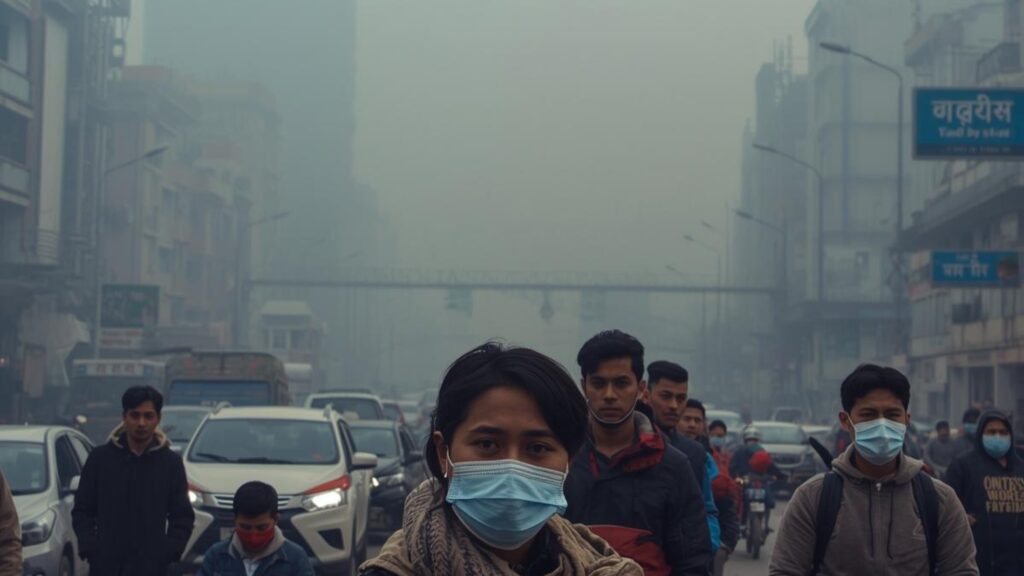
Living in Delhi NCR means accepting that the air itself is an irritant. During Diwali and New Year, the AQI often breaches the ‘Severe’ category. This particulate matter (PM2.5) acts as a vehicle for allergens, carrying them deeper into your lungs.
The concentration of pollutants and pollen varies throughout the day.
If you live in Gurgaon, nasal irrigation (Jal Neti) should be part of your daily routine, like brushing your teeth.
Warning: Always use distilled or boiled (and cooled) water. Never use tap water, which can contain amoebas or bacteria.

This is the tip most people ignore. Research has established a clear link between stress and the severity of allergic reactions. The holidays, while happy, are high-stress: financial pressure, social obligations, lack of sleep, and frantic scheduling.
When you are stressed, your body releases cortisol. While cortisol is anti-inflammatory in short bursts, chronic stress dysregulates your immune system. It can make your body release more histamine in response to an allergen than it normally would. Essentially, stress lowers your allergy threshold.
Sleep is when your body repairs the wear and tear of the day and regulates cytokine levels (proteins involved in the immune response). A lack of sleep makes you more susceptible to inflammation.
You don’t need an hour of meditation. Incorporate micro-breaks. If you feel overwhelmed at a gathering or while shopping, step away for 5 minutes. Practice deep, diaphragmatic breathing. This activates the parasympathetic nervous system, lowering your stress response and potentially dampening an allergic flare-up.

Home remedies and lifestyle changes are the first line of defence, but they have limits. The “tough it out” approach often leads to complications like sinus infections, bronchitis, or severe asthma attacks.
You should seek professional help if:
If you find yourself dreading every winter because of allergies, you might be a candidate for Immunotherapy (Allergy Shots or Drops). Unlike medications that just mask symptoms, immunotherapy retrains your immune system to stop reacting to the allergen. It is the closest thing to a “cure” for allergies. This requires a long-term treatment plan supervised by an expert.
In a metropolitan hub like Gurgaon, you have many options, but specialized care matters. General physicians can treat symptoms, but an ENT Specialist (Otolaryngologist) is trained to diagnose the root cause—whether it is a deviated septum worsening your congestion, nasal polyps, or a specific allergen profile.
When searching for an ENT Specialist in Delhi NCR, look for clinics that offer:
Navigating allergies in one of the world’s most polluted regions requires more than just willpower; it requires expert medical partnership. This is where Medicon Multispeciality Clinic in Gurgaon stands apart.
Medicon is not just a clinic; it is a center of excellence for respiratory and ENT care. We understand the unique environmental challenges of living in the NCR region.

We know that visiting a doctor can be stressful. At Medicon, we prioritize your comfort. Our facility is designed to be calming and hygienic, adhering to the highest standards of safety. Our staff is trained to listen, ensuring that you feel heard and understood. We don’t rush consultations; we take the time to educate you about your condition because an informed patient is a healthier patient.
The holidays are meant for laughter, not wheezing. They are for tears of joy, not watery, itchy eyes.
By implementing these 5 tips—fortifying your home, managing your diet, protecting yourself from pollution, reducing stress, and seeking timely medical help—you can take control of your health. You can move from being a victim of the season to being the master of your environment.
Don’t let allergies dictate your schedule this year. If you are struggling with persistent symptoms, if you are tired of relying on nasal sprays, or if you simply want to ensure your family stays healthy this winter, reach out to us.
Visit Medicon Multispeciality Clinic in Gurgaon today.
Let our expert ENT team help you breathe easier, sleep better, and enjoy every moment of the festive season. Because the best gift you can give yourself and your loved ones is the gift of good health.
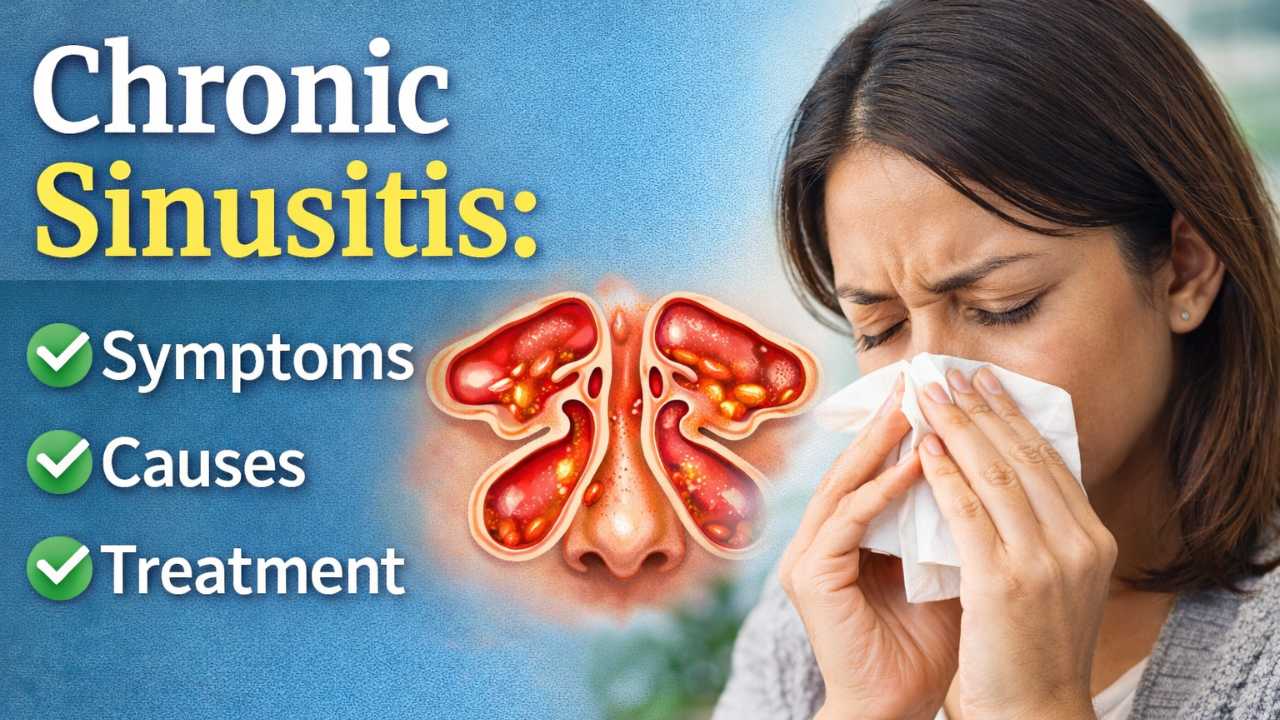 Chronic Sinusitis: Symptoms, Causes & Treatment
 Skull Base Surgery in Gurgaon: Solving Complex Cases Safely
 Oral Cancer Symptoms, Risks, and Prevention Tips Explained
 Choosing the Best Cochlear Implant Surgery Clinic in Gurgaon for Effective Hearing Restoration