
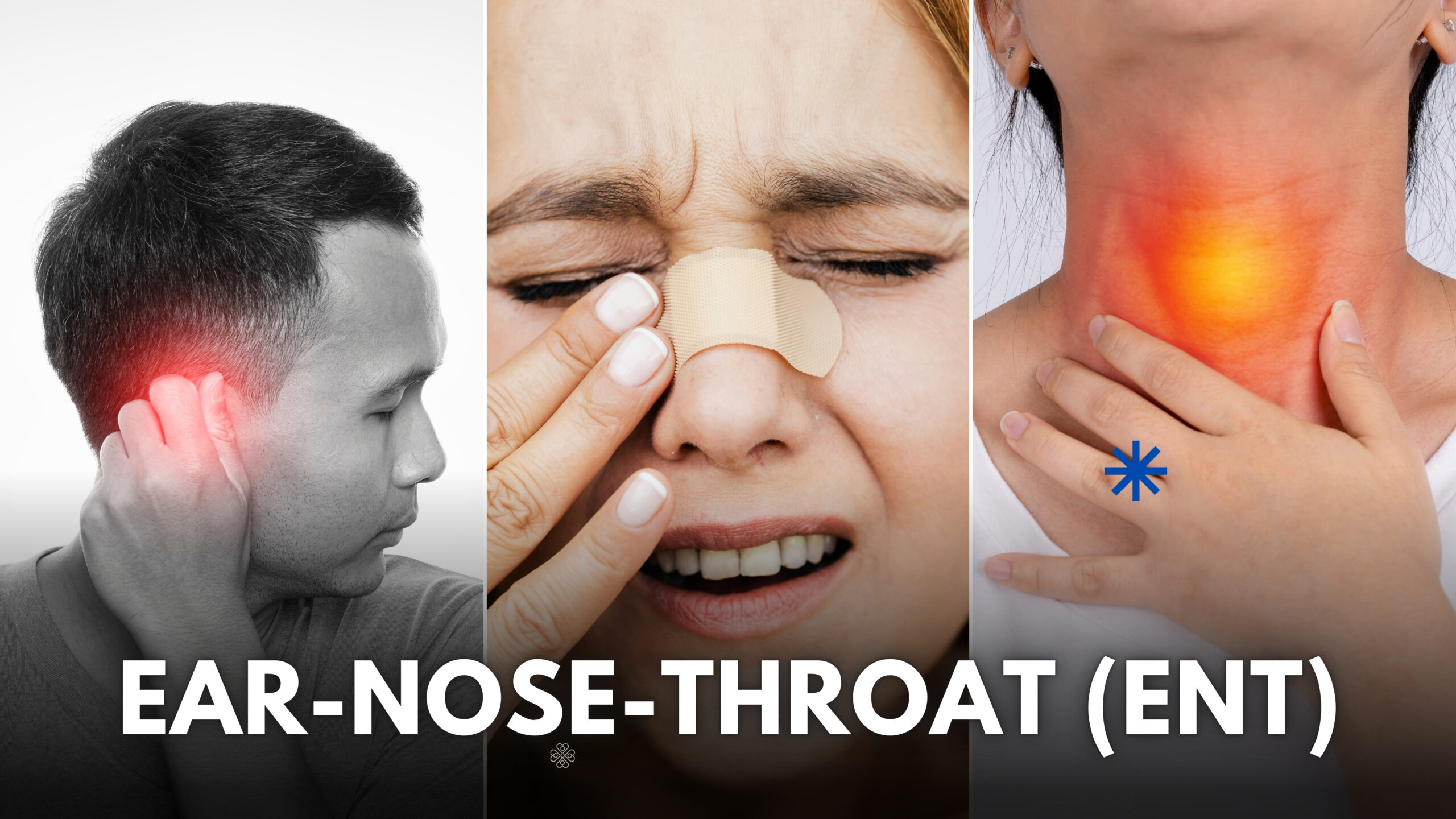
ENT Problems: As the temperature drops and we trade outdoor warmth for indoor heating, our bodies face a unique set of challenges. While winter brings cozy sweaters and hot cocoa, it also ushers in a “peak season” for Ear, Nose, and Throat (ENT) issues.
Cold, dry air combined with increased time spent indoors creates a perfect storm for respiratory ailments. Understanding which common winter ENT problems flare up during these months—and how to prevent them—is key to staying healthy this season.
Here is your guide to the most frequent winter ENT complaints and expert-backed strategies for relief.
One of the most common complaints during colder months is sinusitis (sinus infection). Winter air is naturally less humid, and indoor heating systems further strip moisture from the air. This causes the mucous membranes in your nose to dry out and crack, impairing their ability to trap viruses and bacteria.
Nosebleeds are a frequent, often alarming, winter occurrence. The medical term is epistaxis, and it is directly linked to the lack of humidity. The blood vessels inside the nose are superficial and fragile. When the nasal lining (mucosa) dries out, it crusts and cracks, leading to bleeding.
While often associated with summer swimming, ear issues frequently spike in winter. This can happen for two reasons: Upper Respiratory Infections and Cold Wind Exposure.
Is it just a dry throat from sleeping with your mouth open, or is it strep throat? Winter is prime time for pharyngitis (inflammation of the throat).
Many people believe allergies disappear with the first frost, but winter allergies can be just as severe as hay fever.
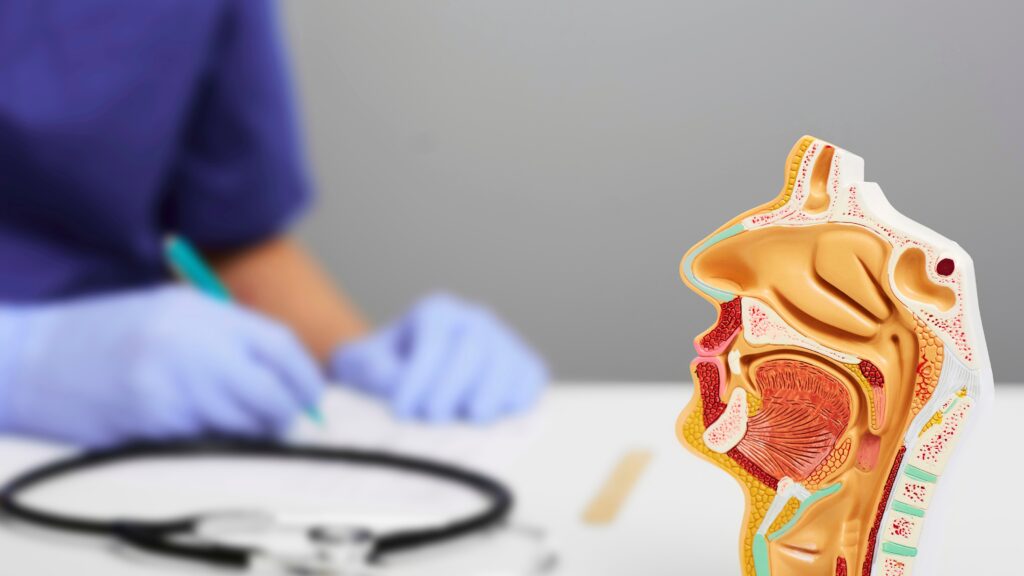
While most winter ailments can be managed at home, certain symptoms require professional care. Schedule an appointment if you experience:
Stay Warm, Stay Hydrated, and Protect Your ENT Health This Winter!
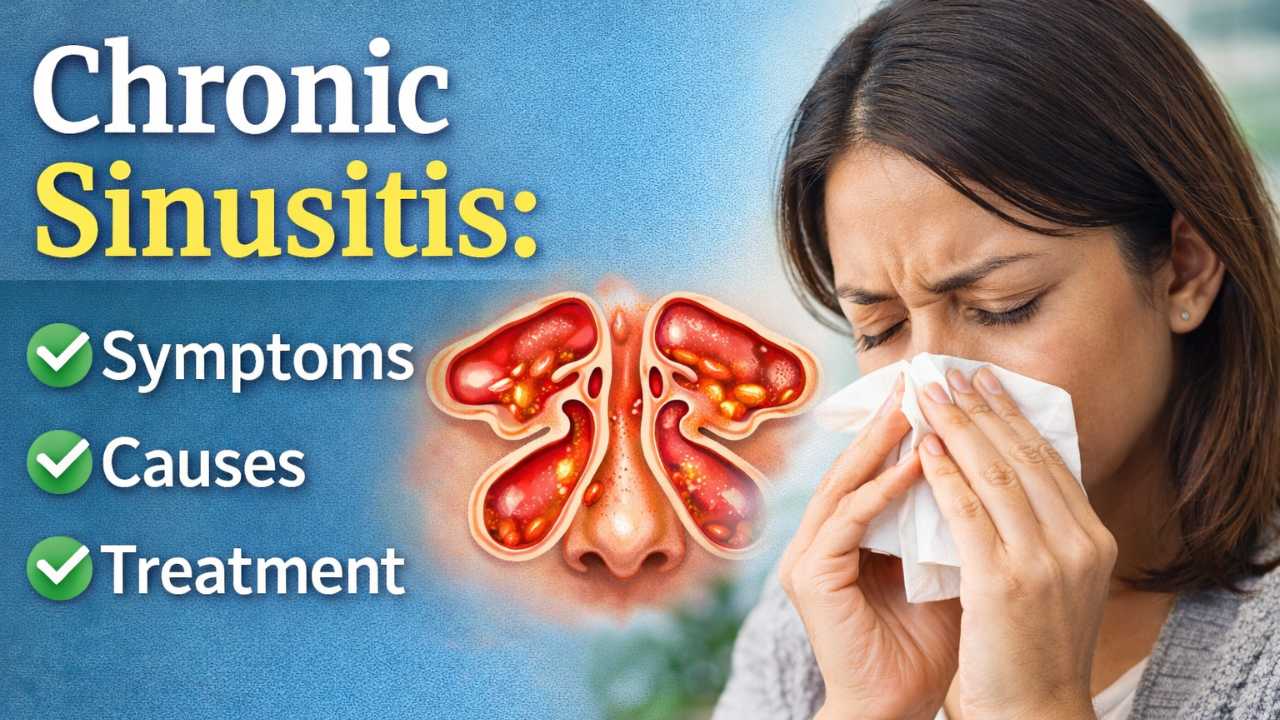 Chronic Sinusitis: Symptoms, Causes & Treatment
 Skull Base Surgery in Gurgaon: Solving Complex Cases Safely
 Oral Cancer Symptoms, Risks, and Prevention Tips Explained
 Choosing the Best Cochlear Implant Surgery Clinic in Gurgaon for Effective Hearing Restoration